SEO Promotion of Garvis Surgical Clinic
Today’s medical services market features numerous private and public clinics offering high-quality care. However, when it comes to online visibility, many medical clinics are still navigating largely uncharted territory. Medical marketing in Ukraine remains in its early stages of development.
A look at Ukrainian clinic and medical center websites reveals that a significant number of them do not align with current trends or search engine requirements. As a result, a well-known, reputable clinic often relies entirely on word-of-mouth and offline advertising to attract new patients.
At the same time, more and more consumers have been turning to the internet to find medical services in recent years, and this trend accelerated dramatically with the onset of the COVID-19 pandemic. For any clinic or even an individual physician, actively pursuing online promotion, building brand awareness, and cultivating a strong reputation on the web has become essential. SEO is one of the highest-priority efforts in that space.
Clinics that start working on their website quality and SEO today have an enormous competitive advantage over those who continue to neglect it.
By strengthening commercial pages and addressing E-A-T factors (Expertise, Authoritativeness, Trustworthiness), we achieved significant growth in targeted organic traffic and, as a result, strong conversion growth.
Results
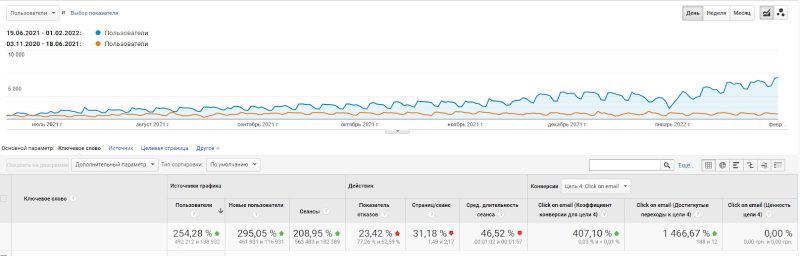
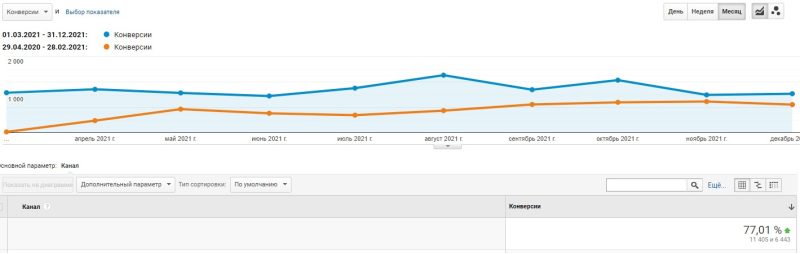
All website pages:
- Traffic.
- Conversions.
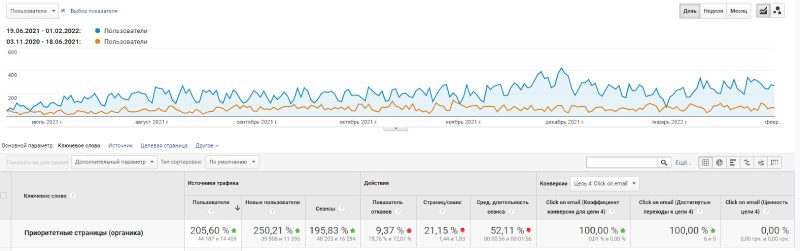
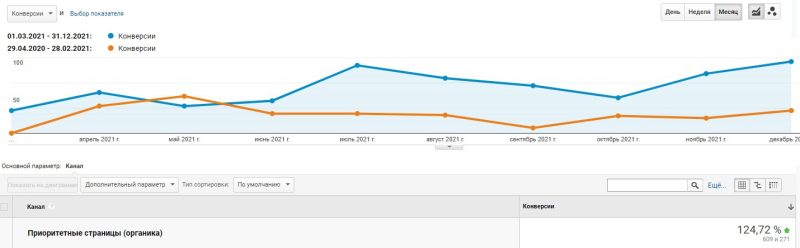
Priority service pages rebuilt as high-converting landing pages:
- Traffic.
- Conversions.
About the Project
Garvis.com.ua is a specialized surgical clinic, established in 1997, primarily serving patients from Dnipro and surrounding regions.
The clinic’s team includes 153 staff members:
- 2 professors.
- 9 Candidates of Medical Sciences.
- 28 doctors of the highest qualification category.
- 10 first-category doctors.
- 9 second-category doctors.
- 4 associate professors.
Core specialties:
- Abdominal surgery.
- Operative urology.
- Operative gynecology.
- Traumatology and orthopedics.
- Chemotherapy.
The GARVIS Medical Center performs over 3,500 surgical procedures annually.
Starting Point: What the Client Came to Us With
At the time we began work, the following issues had not been resolved:
- Very few leads coming from organic search.
- Organic traffic was primarily brand-driven.
- Commercial pages had low conversion rates.
- Incomplete coverage of the target audience.
That said, there were clear strengths. Garvis:
- Was a well-recognized name in the region.
- Was equipped with the latest state-of-the-art medical technology.
- Had a highly qualified team of specialists with extensive clinical experience.
- Had a technically well-optimized website, which meant we did not need to invest significant time or budget in developer work. Only targeted improvements were required.
In short, the clinic had the capacity to treat more patients without compromising its high standards of care.
The objective the client set for us was to increase patient volume by driving more visitors to the website through organic Google search.
Project Growth Opportunities
After diving deep into the project, studying the surgical services market, and taking the client’s priorities into account, we identified the following development directions:
- Improving the presentation of content on commercial pages.
- Raising the quality of blog articles.
- Writing treatment case studies.
- Improving the structure and content of individual doctor profile pages.
- Improving general pages designed to convince potential patients to choose GARVIS Medical Center (homepage, equipment page, FAQ, contact page).
- Addressing E-A-T factors.
- Phase 1: focusing on priority pages and regional queries.
- Phase 2 (six months after project launch): promoting high-traffic non-priority services, for example, the operative gynecology page.
- Expanding the site structure to cover priority surgical procedures that did not yet have dedicated pages.
- Adding an online consultation service.
- Creating a Ukrainian-language version of the website.
- Improving mobile page load speed and optimizing for Core Web Vitals.
- Building and improving the quality of the site’s backlink profile.
How We Measure Our Work
As mentioned above, one of our core approaches at Livepage is a focus on profitability, not just raw traffic.
Of course, you could publish an enormous number of blog articles and drive a flood of visitors to the site. But would those visitors convert into leads? The answer is obvious: no.
At the start of the project, we agreed with the client that the primary benchmark for our work would be growth in appointment requests. To track this, we set up a macro goal in Google Analytics consisting of:
- Completed appointment request form submissions.
- Answered phone calls.
- Callback requests.
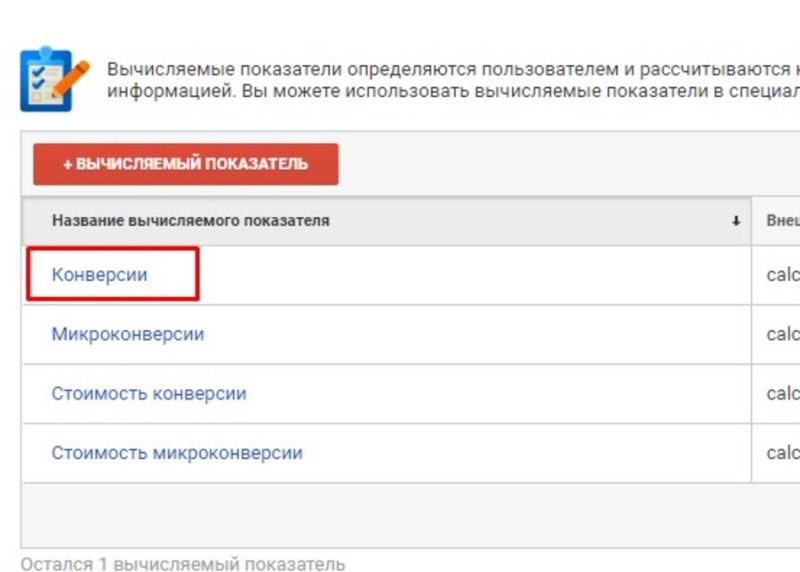

A secondary KPI was the number of completed and submitted appointment or consultation request forms. To track this, separate segments were configured in Google Analytics:
- For commercial pages being rebuilt as landing pages (more on this below).
- For new blog articles.
In other words, as each surgical procedure page is rebuilt into a full landing page, it is added to the corresponding tracking segment. The same applies to the blog: as soon as an article is published, it is added to the blog tracking segment.

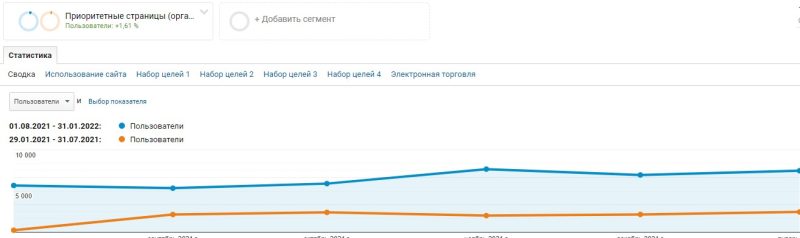
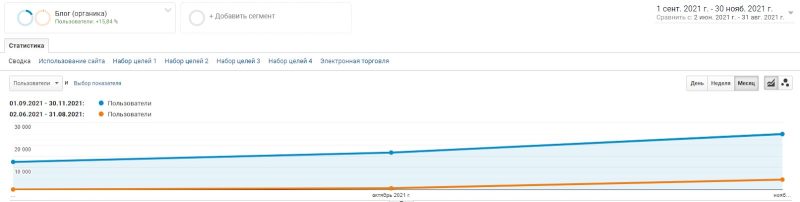
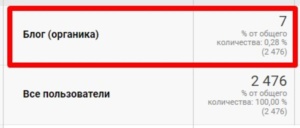
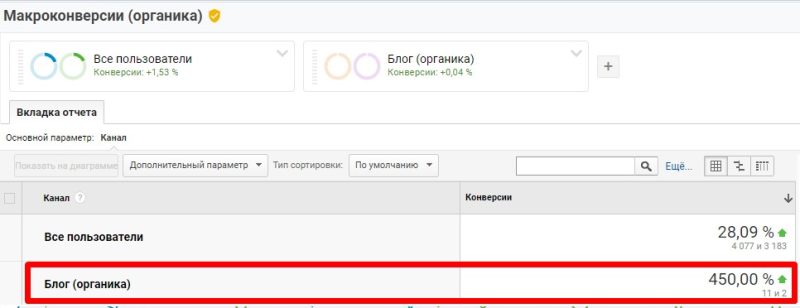
This setup allows us to view form submission growth separately for landing pages and blog content. While the blog is not a commercial section and visitors rarely fill in forms there, in practice, it has occasionally proven relevant.
Our KPIs:
- Growth in macro conversions.
- Growth in completed appointment request form submissions.
Promotion Strategy
To achieve strong organic search results, we worked across the following areas.
Commercial Page Content
The most obvious starting point was the very low quality of the commercial pages. Virtually all pages for surgical procedures and other treatments — that is, service pages — were written essentially as informational articles. On top of that, these pages had only one appointment request form, positioned at the very bottom of the footer. It was no surprise these pages generated very few leads.
At the start of the project, we issued a content structure brief for these pages. They were transformed from informational articles into full landing pages, complete with a compelling offer, a clear call to action, detailed service information, treatment pricing, clinic advantages, and more. We also significantly increased the number of CTA forms:
- One form added to the header.
- Two additional forms embedded in the body of the page.
- The original footer form retained.
The result: four conversion forms on every landing page. This change was a key driver of subsequent conversion growth.
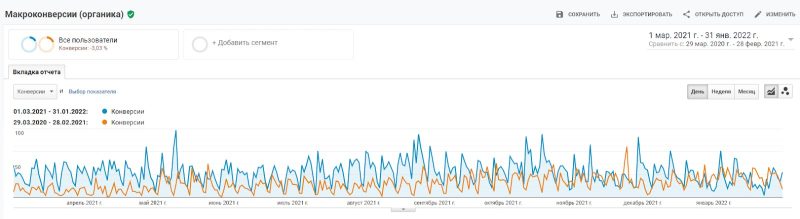
- Macro conversions:
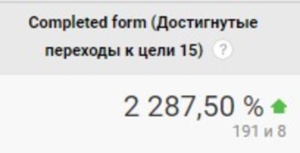
- Completed appointment request forms:
Blog Articles
In the first month of the project, we also issued a content structure brief covering the blog section and the layout of individual article pages.
In the medical niche, which Google classifies as YMYL (Your Money or Your Life), high-quality articles are a significant E-A-T factor. When an article is widely read, shared on social media, and authored or reviewed by a qualified specialist, it builds overall trust in the site. And when that article naturally links to relevant services, it not only passes link equity but also encourages potential patients to book an appointment directly.
Doctor Profile Pages
Patients most often choose a specific doctor rather than a clinic. That is why it is important for each doctor’s profile page to include all the information that matters:
- Education and years of experience.
- Achievements and credentials.
- Patient reviews.
- Questions and answers from the doctor.
- Links to the doctor’s blog articles on the clinic website.
- Links to the doctor’s publications in scientific medical journals.
It is also important to implement the Physician structured data markup on doctor profile pages to generate rich snippets in search results.
The content structure brief for doctor profile pages was also issued during the first month of work.
Addressing E-A-T Factors
As a reminder, E-A-T stands for Expertise, Authoritativeness, and Trustworthiness. Google uses these criteria to evaluate how useful and safe a website is for users and to determine whether it should appear in search results at all.
To bring Garvis’s content in line with E-A-T standards, we implemented the following solutions:
- Blog articles must include information about the doctor who, ideally, wrote the article or, at the very least, reviewed and approved it.

- The website must have a dedicated page explaining how the clinic takes responsibility for the accuracy of the information it publishes and how it ensures the quality of its content.
- The “About Us” page must include all essential information (treatment areas, licenses, staff composition, achievements, doctors’ academic titles, etc.) presented in a clear and digestible format.
- A separate page should describe the modern equipment used in treatments.
- The contact page, in addition to phone numbers, email addresses, and a physical address, should include written directions from key parts of the city and a map showing how to locate the building from within a 300-meter radius.
- The FAQ page should be organized by thematic groups based on types of medical conditions.
- Patient reviews should include not only text, but also the patient’s full name, a profile photo, and a link to their social media profile.
- In addition to written reviews, video reviews should be featured on the website.
- The clinic’s website should receive backlinks from authoritative medical resources and Wikipedia.
- Proactive reputation management on third-party platforms (medical directories, review sites, Google Maps, etc.) is also essential.
- The pricing page must always display current, up-to-date information.
Technical Optimization
Technical SEO is a critical part of the foundation on which everything else in the promotion strategy is built. To set the project up for strong long-term results, we began with a thorough technical audit and issued a set of recommendations for fixing the site’s technical issues.
A separate technical brief was prepared to improve Core Web Vitals scores. The project came on board in spring 2021, and by June 2021, the new Core Web Vitals signals were already being factored into Google’s ranking algorithm.
Ukrainian-Language Version
In 2019, Ukrainian legislation came into effect requiring all Ukrainian companies to use Ukrainian as their primary website language. Many websites did not even have a Ukrainian-language version at the time.
When we began working together, a Ukrainian-language version was already in development on the client’s side. It had not yet been published, and that work was ongoing. We mention it here as a reminder that, beyond legal compliance, a Ukrainian-language version of the site will allow the clinic to target additional keyword clusters and attract additional organic traffic.
In the meantime, while waiting for the Ukrainian version to go live, we continued preparing content for commercial pages and blog articles.
Site Structure Expansion
The site’s structure was insufficiently developed in terms of landing page coverage for all the services the clinic offers. For this reason, we issued a brief to add new pages and organize existing content into categories and subcategories.
This brief was developed after a thorough analysis of Google search results and competitor websites that were capturing the organic traffic Garvis was missing out on. By acting on this, we began redirecting that traffic away from competitors and increasing our client’s revenue.
Link Profile
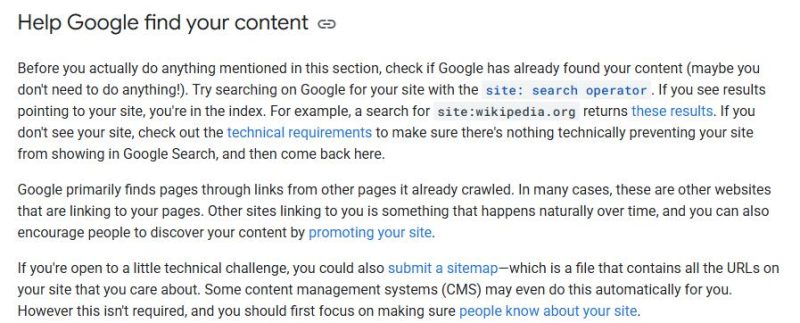
Links remain one of the most important ranking factors for websites, as Google itself acknowledges in its official documentation.
We analyzed Garvis’s existing link profile and those of its competitors, then developed a link-building strategy. For example, we noticed that trusted competitor sites had backlinks from Wikipedia, many of which came from the Wikipedia profiles of individual physicians. Among Garvis’s specialists, there are a significant number of highly qualified surgeons with academic credentials who are strong candidates for Wikipedia profiles that could then link back to their current place of work.
We began building the backlink profile from day one. Links are acquired from the following sources:
- Medical publications and portals.
- General-interest websites with health and medicine sections.
- Niche forums (crowd marketing).
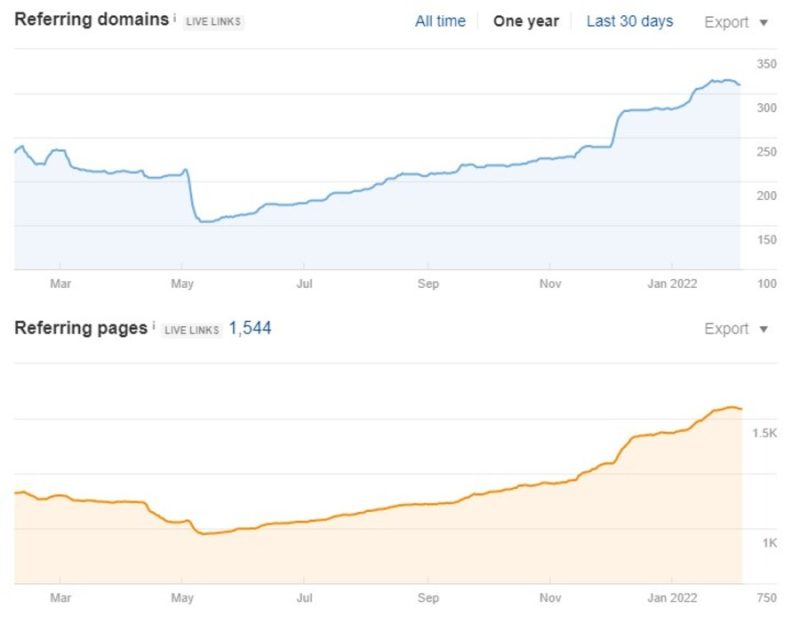
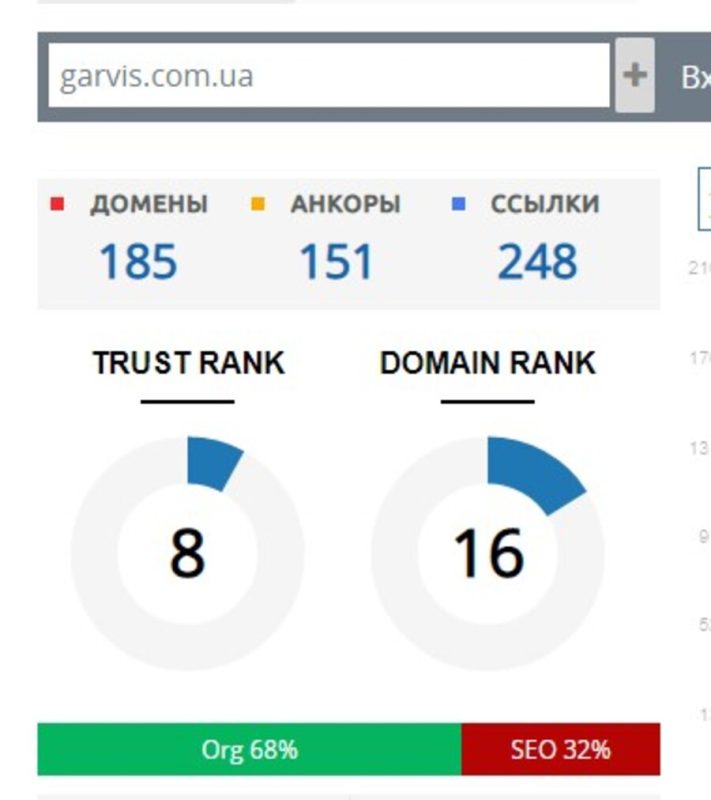
In addition to link volume and referring domain quality, we have also been managing the site’s anchor text distribution. At the start of the project, the vast majority of links were non-anchor (naked URL or brand-only). We have been steadily increasing the share of targeted anchor links while maintaining a healthy anchor-to-non-anchor ratio to keep the link profile natural. We recommend maintaining approximately 65-70% non-anchor links and 30-35% anchor links.
Promotion Results
Over the course of this project, we achieved the following results:
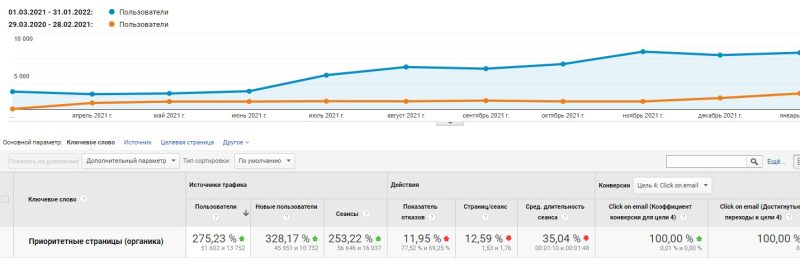
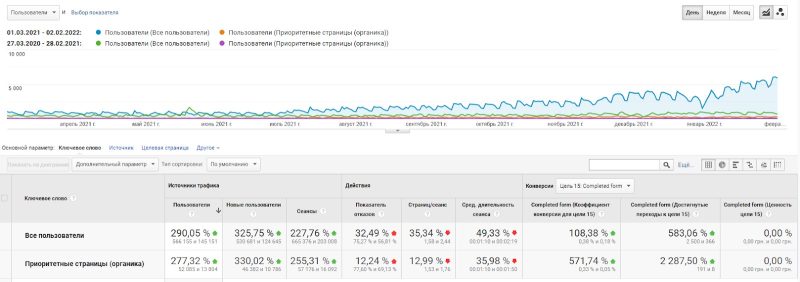
- Organic traffic growth:
- +300.68% across the entire website (over 124,000 visitors per month).
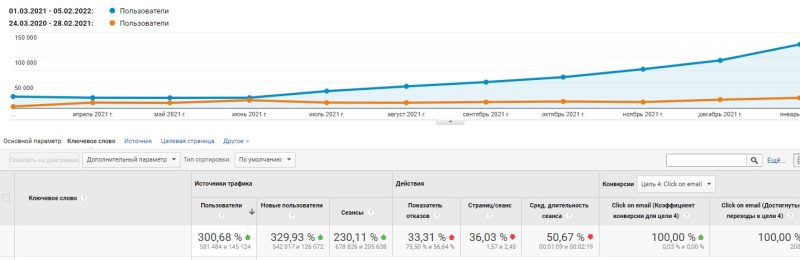
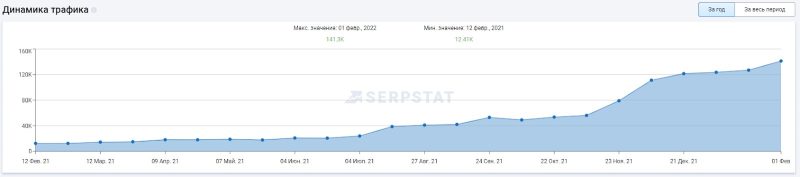
- +275.23% across priority service pages (over 7,700 visitors per month).
- Conversion growth:
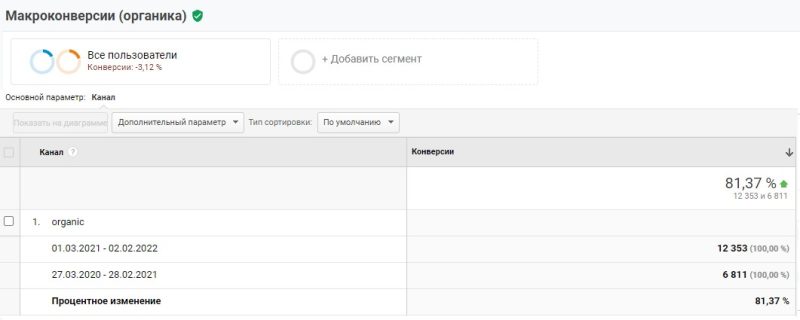
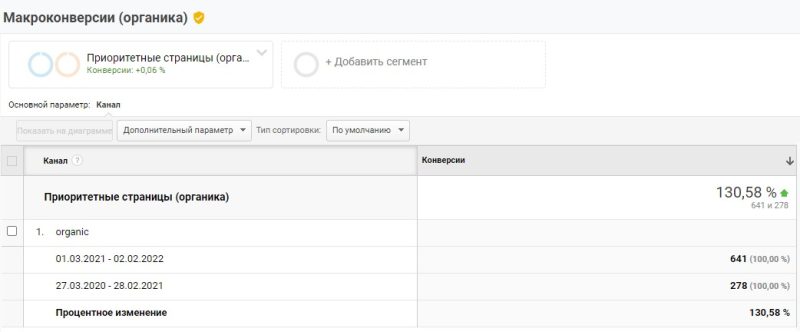
Macro conversions:
- +81.37% across the entire website.
- +130.58% across priority service pages.
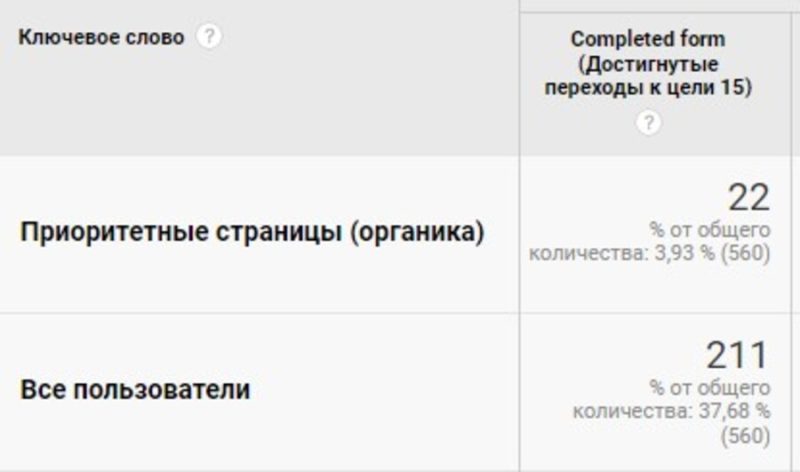
Completed appointment request forms:
- +583.06% across the entire website (over 200 submitted forms per month).
- From 1 submitted form in 1.5 months to 18 submitted forms per month.
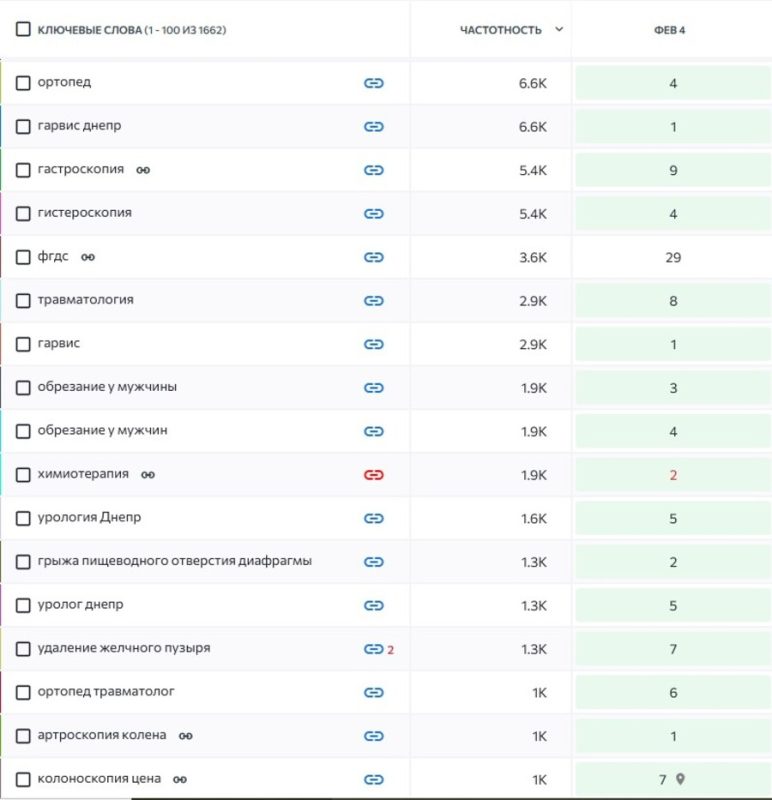
Growth in priority keyword rankings and improved search visibility:
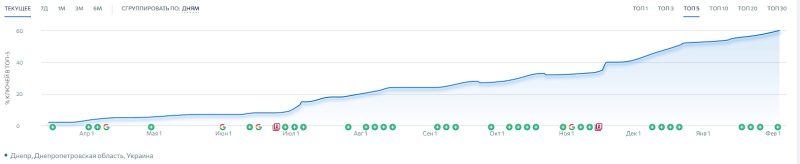
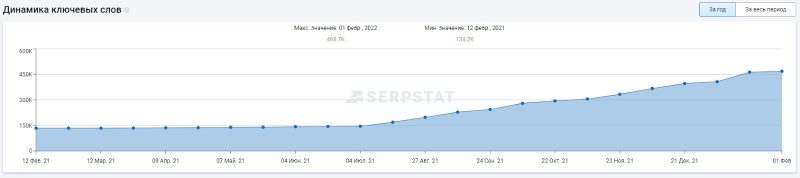
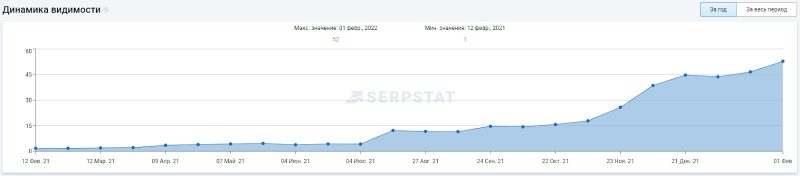
- Top 1: 1 keyword → 22 keywords.
- Top 3: 2 keywords → 50 keywords.
- Top 5: 2 keywords → 60 keywords.
- Top 10: 2 keywords → 74 keywords.
What’s Next: Plans for Continued Development and Key Takeaways
SEO promotion work for the site is ongoing. The clinic is operating at full specialist capacity, and patient volume continues to grow. The steady increase in traffic and appointment requests is enabling the clinic to expand its service offering, including the addition of new areas such as chemotherapy.
Content updates for priority service pages are continuing. The Ukrainian-language version of the site is approaching its release, and the developers are in the process of implementing the E-A-T technical briefs we issued that have not yet been fully deployed.
All of this supports a straightforward extrapolation: if the current pace of work is maintained, we expect continued notable traffic growth averaging 15 to 20% per month, which will translate into further increases in patient volume and clinic revenue.
Going forward, we plan to develop the project with a stronger focus on marketing and service expansion. Upcoming initiatives include:
- Creating a dedicated online consultation service page.
- Reputation management across third-party review platforms.
- Adding a prominent banner to service pages communicating that Garvis Medical Center is fully compliant with coronavirus pandemic safety protocols, addressing patient concerns.
- Optimizing Google Business Profile (formerly Google My Business).
- Enabling patients to complete intake forms online directly on the website.
- Publishing Wikipedia articles with links to the clinic’s website.
- And additional ongoing work.
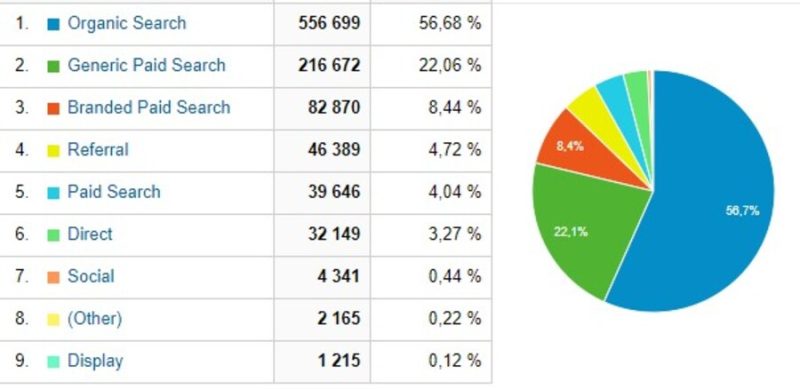
Our collaboration with Garvis Surgical Clinic confirms the point we made at the start of this case study: today, for a medical practice to grow and compete effectively, maintaining a strong and high-quality online presence is essential. Moreover, organic search is the single most important patient acquisition channel for medical websites. Given that today’s internet is saturated with advertising and many users have developed what is known as “banner blindness,” organic search consistently delivers the highest volume of visitors and leads to medical websites and, with it, the highest revenue.
This case study demonstrates just how important a tailored promotion strategy is for a medical website looking to compete and generate ever-increasing returns. When developing our SEO strategy and preparing technical briefs, we take into account the business’s specific characteristics, core priorities, and overall growth direction.