






9 min reading
GA4 BigQuery Export: When You Really Need It


76% of mobile users who search for a local product or service visit a physical business within a single day. Will your business pop up in those searches? Having an excellent product or service is not enough anymore. You need to make sure that what you offer is seen and, even more important, remembered by the customers in your area. This is where local advertising can become a game-changer for making your small café, boutique, or home repair service a go-to name in your neighborhood.
In this guide, we’ll break down what advertising for local businesses means, explore the most effective promotion strategies, and share practical ideas to help you enhance your local presence, reach more customers, and set your business for sustainable growth.
What is local advertising? Generally, it’s a strategic promotion of a business and its products or services within a specific geographic area. The major goal is to attract people who live, work, and shop close to you and encourage them to visit your store, contact your services, or make a purchase locally. At the end of the day, your business success depends on local customer activity and how well you explain to your target audience who you are, where you are located, and why they should choose your brand. That’s the essence of local advertising – bridging the gap between businesses and their communities.
A strong local advertising foundation can also support future B2B paid search campaigns aimed at business customers.
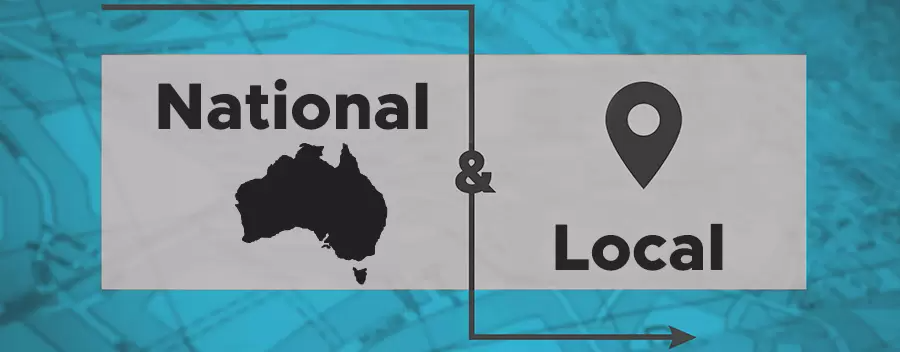
As the name suggests, the major difference is that local advertising targets potential customers within a smaller locality, such as a city, town, or neighborhood, and is meant for businesses that rely on nearby consumers (restaurants, repair services, boutiques, SPA salons, or local fitness centers). National campaigns, on the other hand, reach audiences across the entire country and are typically used by large companies or established brands that have a wide distribution network and want a nationwide presence.
Speaking of the goals, both approaches aim to enhance visibility and authority, yet local advertisements primarily strive to build community connections and win the loyalty of nearby consumers, while national ads emphasize brand recognition and focus on broader exposure.
For most of us, advertising is about selling, and it really is. However, local advertising is not just about a sales boost. It’s rather about building strong relationships, visibility, and trust where it matters most for small businesses – in their local communities. When done right, local advertising makes a huge difference between being overlooked and being a prime choice in your area.
94% of successful brands have a custom local marketing strategy in place. So, local advertising is not the question of “Why”, it’s a question of “How”. In the market where digital presence impacts foot traffic to your business doorstep, advertising a local business is still geographically bound, yet extends beyond physical proximity. Your promotional efforts should encompass all channels and touchpoints that allow you to directly communicate with your local market.
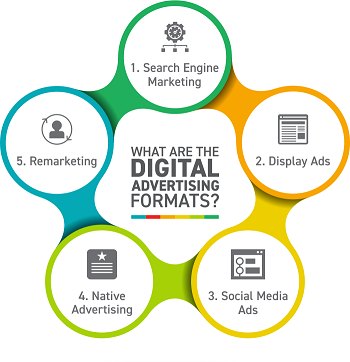
Digital advertising is at the core of any local marketing plan today, allowing local businesses to reach customers online through various advertising methods.
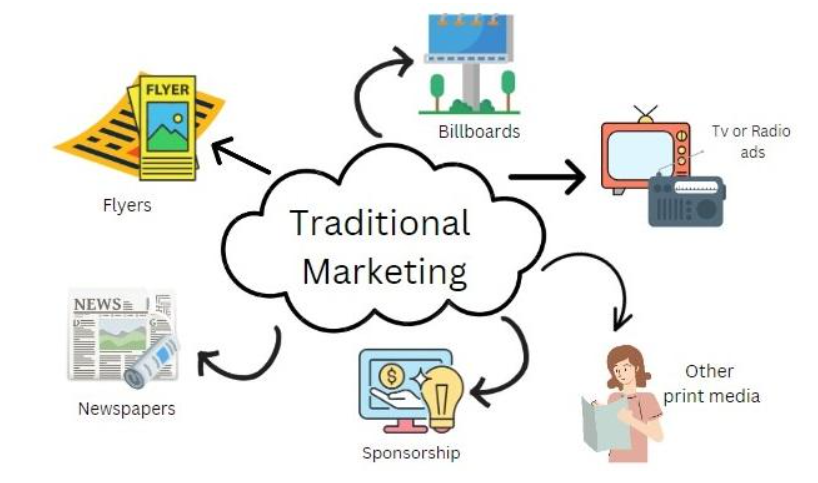
While digital local business advertisements dominate the modern marketing landscape, traditional advertising remains a powerful tool for reaching local audiences.
Digital and traditional ads put emphasis on promotion, while this approach is aimed at establishing connections and strengthening relationships that will further nourish loyalty.
People like discounts and special offers, and for businesses, they are an extremely effective way to attract attention and encourage quick action. Create urgency by running short-term discounts or seasonal deals. Launch loyalty programs to reward repeat customers with points, gifts, or exclusive discounts for long-term loyalty. Use referral incentives (like bonuses or added discounts) to motivate your current clients to bring in new ones.
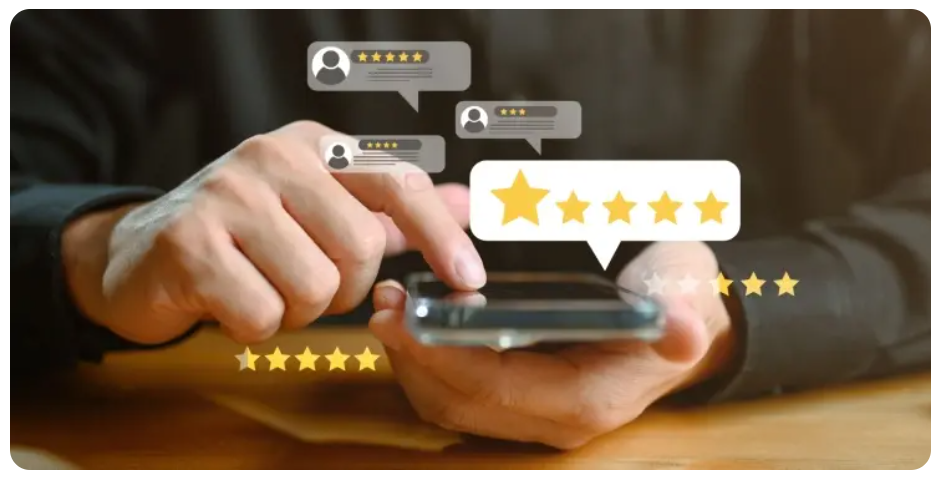
Your online reputation can make or break your business, especially in the local market, where word of mouth spreads quickly. 83% of customers read Google reviews, and over 40% check a few review platforms when considering a local company. So, ask happy customers to leave reviews on Google, online directories, and social media. Reply to both positive and negative reviews. A thoughtful response shows that you value customer feedback and care about their experience.
Knowing effective local advertisement strategies, you now need a detailed plan to use your resources wisely, stay consistent across marketing channels, and figure out what truly works for your community.
Who is your potential customer? What are their interests, lifestyles, and values? Tools like Google Analytics, social media insights, or customer surveys will help you gather data. The better you understand your local audience, the easier it is to create personalized, effective advertising that resonates with them.
What do you want to achieve through local advertising? Is it increasing foot traffic, generating more local leads or bookings, or promoting a specific product or service? Set clear, measurable, and achievable goals (e.g., “Increase walk-in customers by 25% in three months” is more actionable than “Get more sales”).
Once you know what you want, consider how much you can invest in your local advertising efforts. Allocate funds according to your goals and start with high-ROI methods and channels like Google Ads and local SEO. You can diversify your channels and increase your spending over time.
Your choice should align with your goals, audience, and budget. Select a mix of digital and traditional methods that give you the best visibility in your area where your target audience is most active and receptive.
Your message should speak directly to your community and clearly convey what makes your business unique and why it’s a trusted choice for local customers. Use local language, references, and visuals that reflect your area’s culture. Highlight local benefits that you provide, like fast service, personal attention, or homegrown values.
Investing in landing page optimization often improves conversion rates without increasing advertising costs.
Develop creative materials and start your promotions across selected platforms and channels simultaneously to maintain consistency. Create a campaign calendar that outlines what runs when and on which channels. Tools like Google Business Profile, Facebook Ads Manager, or email marketing software will help you in efficient campaign scheduling and management.
Track your campaign results to understand what works and what needs improvement. Regularly adjust your plan based on performance data to match audience behavior and catch up with seasonal trends.
Running an advertising campaign is only half a job. The real power comes from measuring your success and understanding how well your efforts perform and what brings tangible results.
The right metrics will depend on your goals, but the most important to track include:
Regularly reviewing Google Ads reports for local businesses helps identify which locations, audiences, and campaigns deliver the strongest results. With modern tools at hand, it’s easy to measure your advertising results even across multiple platforms.
Once you’ve gathered data, it’s time to calculate the ROI that will turn numbers into insights and demonstrate real results.
Working with experienced local PPC services providers can help small businesses avoid costly mistakes and scale profitable campaigns faster.
Like any other marketing approach, local advertising is not without challenges. However, understanding the common problems, you’ll be able to overcome them and build a smarter, more resilient local promotion strategy.
Small local businesses must make every dollar count, which often means tough choices between online ads, print campaigns, sponsorships, or community events.
Local companies often have to compete with well-known national or regional chains that have far greater advertising power, dominating search results, social media feeds, and billboards.
Poor targeting (geographic, demographic, or behavioral) can waste valuable resources and limit results. Your ads might reach people outside your service area, or your message might not resonate with local customers’ preferences and habits.
Digital campaigns are easy to track, while offline advertising like flyers, radio spots, local TV ads, or sponsorships is much harder to evaluate. Many local businesses struggle to understand whether traditional advertising actually drives sales or awareness.
Companies that invest in expert pay-per-click services often achieve stronger results thanks to continuous optimization and data analysis.
And if you’re looking for a real-world example, this paid media case for US local business STI Garage demonstrates how localized advertising strategies can drive measurable business growth.
Local business success largely depends on solid connections with the local community, i.e., whether people in your area know about your business and trust it. Local ads work in a specific geographic area, driving your business visibility exactly where you need it, bringing foot traffic to your physical locations, and helping you establish lasting relationships with customers in your vicinity.
When you promote your business locally through Google Ads, social media, GBP optimization, and geo-targeted campaigns, you increase brand visibility, local searches, and rankings for your business online.
Customer feedback helps build trust and strengthen your local business reputation, while directly influencing new customers’ decisions. Responding to feedback, good and bad, shows that you value your community and are committed to improving your services.


“Livepage has proven to be a reliable source for rapid online growth. We started with 2,000 visitors per month. In 3 years together with Livepage we have reached 70,000 visitors and more than 100 leads from the site per month.”


“As for the results, we’ve been working together since 2015, and our traffic has increased 10x. I cannot say that Livepage was our first SEO company, but they have become the first SEO partner that helped us to achieve the success we were looking for.”


“Livepage delivers SEO efforts that have led to an increase in the site’s users, traffic, and conversions. The team uses a wide range of tools to achieve the client’s goals. They are attentive to the client’s needs, working with them in real-time and bringing in additional specialists when needed.”


“I am pleased with the quick task execution and the instant replies to my messages.”


“I like the complex approach that the Livepage team offers. Absolutely all team members work together; everyone is aware of what is happening on the project. We have one common goal – to increase our service sales, and the team is making every effort to achieve the goal as soon as possible.”


“We’ve been really impressed by how Livepage quickly understood our business and centred our PPC campaign around our objectives. We have achieved good results within a very short time in both revenue and ROI.”


“Everything is clear, timely, and understandable.”


“They have leveraged ideal opportunities to reach our business goals.”