




9 min reading
GA4 BigQuery Export: When You Really Need It


Website scaling is one of the most powerful tools for growing organic traffic and, at the same time, one of the riskiest. For some businesses, expanding website structure becomes a point of explosive growth. For others, it leads to indexing issues, keyword cannibalization, and overall search visibility chaos.
Modern SEO is no longer just about optimizing existing pages. Once a website reaches a certain threshold (bifurcation point) and the semantic core is not fully covered, scaling becomes crucial for unlocking new entry points, broader brand exposure, and steady traffic growth. However, to achieve growth rather than problems, you need a clear understanding of how to scale a website correctly and under what rules.
In this article, we will outline a practical, real-world approach based on Livepage case studies, including examples from eCommerce, IT, and SaaS projects. We will show how businesses can scale their websites in a way that delivers additional organic traffic, not avoidable losses.
Website scaling in SEO is a systematic expansion of a website’s search presence through logical, semantic development of its structure and coverage of additional demand segments, not just adding more products or publishing more content. It’s the point where a business moves from “optimizing what already exists” to “creating new growth directions”.
For search engines, scaling is a signal that a website is active: it is evolving, targeting a wider range of queries, and offering a broader set of relevant content to users. For businesses, learning how to expand a website for SEO growth is an opportunity to capture a larger share of the market, increase the number of conversion-focused pages and, as a result, potential leads, and expand the audience acquisition funnel.
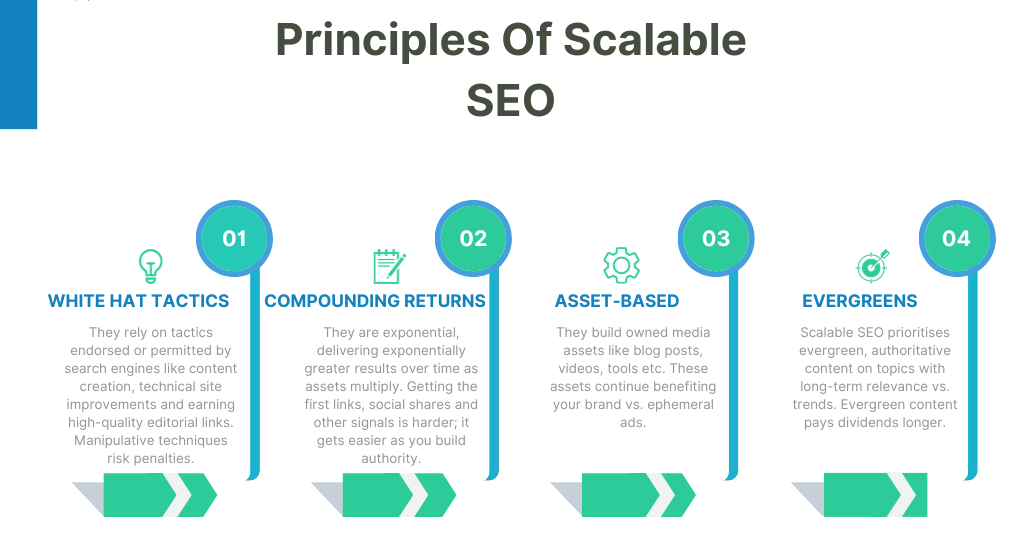
However, it is crucial to understand that scaling does not mean “publishing more”. It only works when new pages logically complement the existing structure, avoid duplication, have clear search demand, and strengthen the website’s core commercial areas that are already performing well.
For example, one of our mini case studies shows that organic traffic growth was achieved not by increasing the number of pages, but by properly connecting content to current industry news and events. The Livepage team synchronized publications with the niche’s information landscape, enabling pages to be indexed faster and to gain additional entry points from search. This approach enabled scaling content without overloading the website’s structure or causing keyword cannibalization.
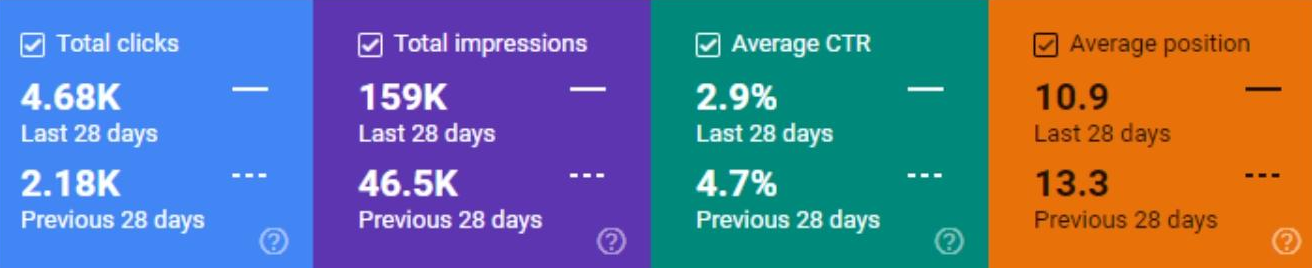
When website expansion is done correctly, a website can achieve stable organic traffic growth for years. When it is done chaotically, you risk losing indexation capacity, authority, and hard-earned rankings built up over months of work.
In practice, the difference between strategic scaling and chaos becomes clear in how Google reacts to new pages. One of the main reasons for traffic drop after scaling is chaotic structural expansion that creates unnecessary “information noise.” For example, the search engine may see multiple pages targeting the same query, with none of them being “strong” enough to dominate the topic. As a result, Google doesn’t rank these pages at all or randomly selects one, suppressing the potential of the others. This is especially painful for eCommerce websites, where dozens of poorly structured categories can drag down the visibility of the entire website. This scenario is covered in more detail in the article “Semantic Core: How to Avoid Losing Traffic to Your Website.”
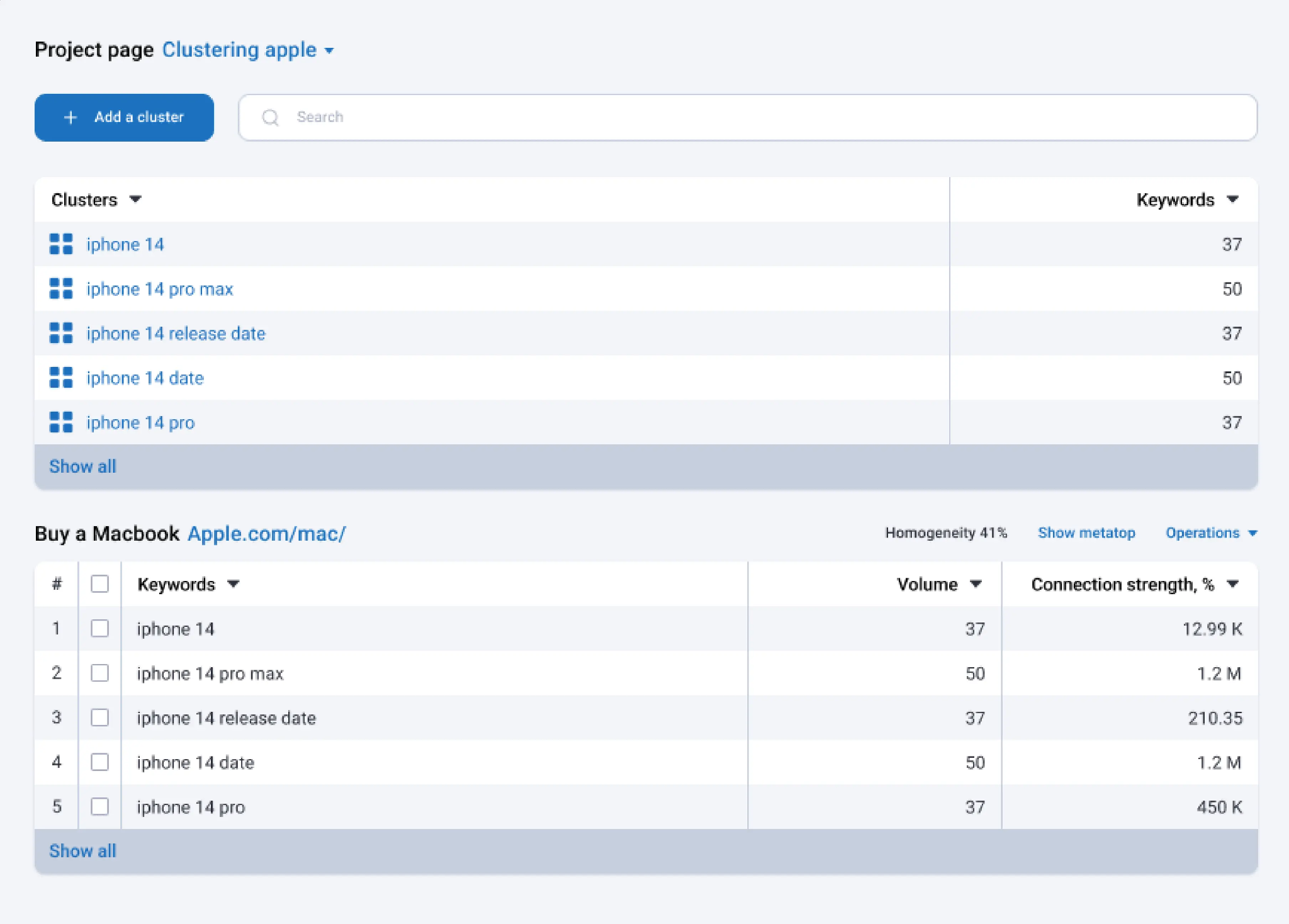
Website structure scaling works differently. First, a single-core cluster page is identified to capture the primary search demand. All additional pages are then created as logical subtopics that reinforce the main cluster. In this case, new pages don’t compete for traffic but rather expand overall coverage and help the core page grow even stronger. The importance of website structure becomes even more obvious as new sections, categories, and landing pages are added during scaling.
A website doesn’t need to be scaled at all times, but there are clear signals that a business has outgrown its current structure and won’t be able to move forward without expansion. The first signal is organic traffic stagnation. Even after improving content and fixing technical issues, the website fails to grow simply because there are no new entry points.
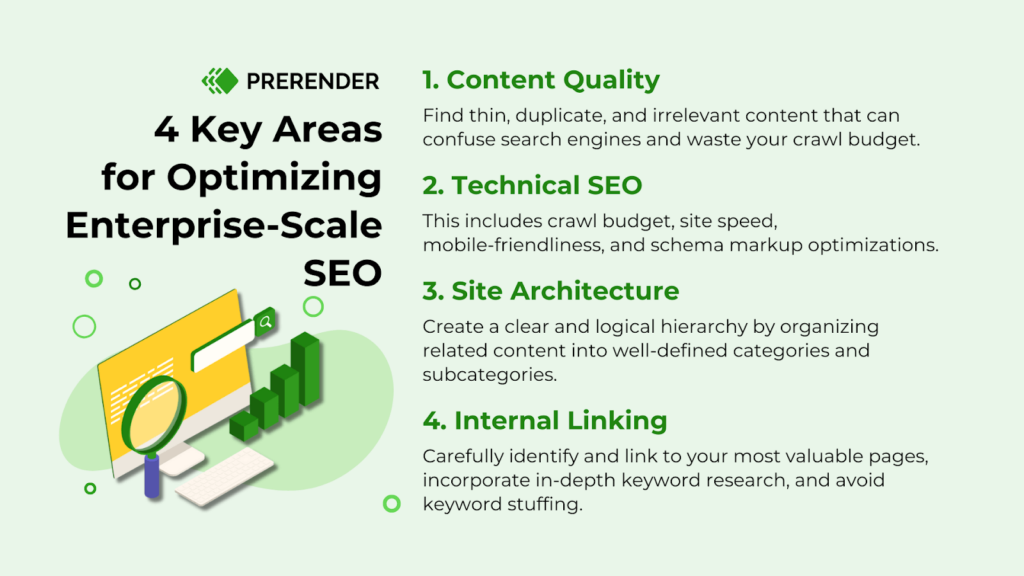
The second signal is limited semantic coverage. If keyword analysis shows that your website covers only 30–40% of the potential clusters in your niche, scaling becomes the logical next step. This often happens with eCommerce websites that have products but lack proper category or filter pages, and, as a result, traffic gets “stuck” on existing pages. If a business doesn’t clearly understand its target audience, the structure may grow, but traffic won’t. We explore this effect in more detail in the article “Why SEO Doesn’t Work Without the Right Target Audience.”
The third signal is a lack of new growth directions. This is especially common in SaaS and IT website scaling projects, for example, when a website already has core service pages but lacks landing pages for specific industries, countries, tools, etc. Without these pages, Google simply has nothing to rank in additional demand segments.
Scaling only makes sense when a website is technically and structurally capable of “handling” that growth. If the basics don’t work, adding new pages won’t help. Instead, it accelerates the decline of search visibility. Before scaling, it is crucial to honestly answer three questions:
Avoiding website redesign pitfalls requires preserving critical URLs, redirects, and internal linking throughout every structural update.
In practice, most website scaling mistakes arise not from scaling itself, but from starting it on an unstable foundation. The website may already have obvious duplicates, weak internal linking, overloaded navigation, or inefficient use of crawl budget. To avoid this, you must understand how to add more pages to a website safely by ensuring your technical health is solid before launch. That’s why foundation analysis is not a theoretical step, but a practical filter that helps determine whether your website can be scaled at all at this stage, or whether existing critical limitations must be resolved first.
A website can be compared to an ecosystem: every new page must interact with others, and the technical base must be able to sustain the overall scale. That’s why, before scaling, you need to address technical factors, semantic coverage, and the competitive landscape, especially in an environment of frequent Google updates. We discussed how to survive updates without losing traffic in more detail in the article “How to Survive Google Updates and Keep Your Website Traffic.”
A website’s technical condition is the foundation without which scaling can become extremely harmful. If a website is slow, has indexation issues, duplicate content, or a poorly organized structure, adding new pages will only worsen the situation.
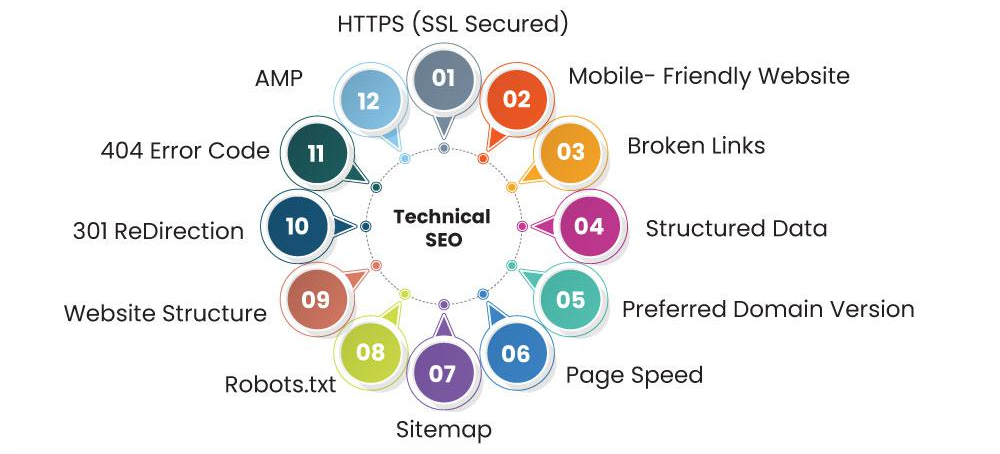
For example, in eCommerce projects with 300–500+ categories, this becomes especially crucial: a slow website or incorrect canonical tags may result in Google simply not indexing new sections, while the crawl budget is wasted on unnecessary duplicates.
The technical base must meet several key requirements:
Only after these conditions are met, scaling can deliver truly positive results.
A similar approach to website growth was previously described in one of our mini case studies. The project had strong growth potential, but structural scaling failed to deliver results due to critical technical issues: page duplication, incorrect canonical tags, and clear indexation problems.
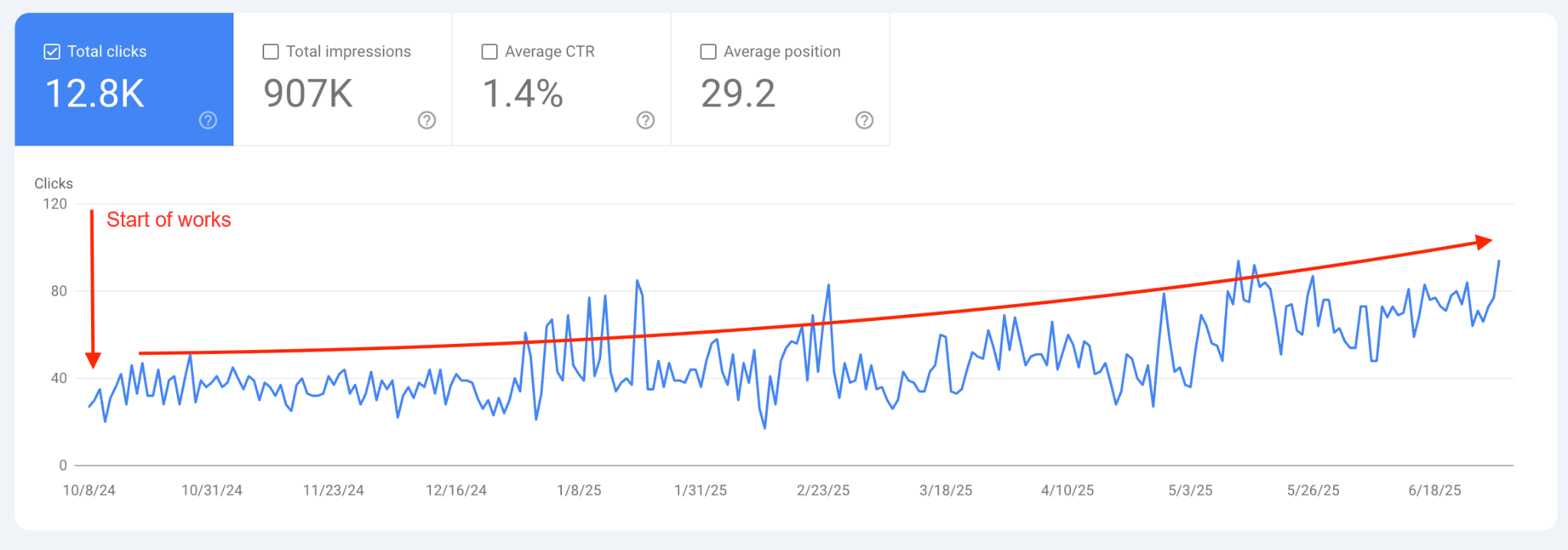
After a technical audit and the removal of these barriers, new pages began to enter the index consistently, and organic traffic started to grow. This case clearly demonstrates that scaling without a stable technical base only worsens the situation.
Reliable website SEO auditing services provide a solid technical foundation that supports long-term organic growth.
Before creating new pages, you need to make sure there is actual user demand. There is nothing to scale if your website already covers all relevant keywords.
Semantic analysis is like studying a map before expanding into new territory. If the analysis reveals hundreds of missed clusters, pages that users clearly expect but cannot find, or keyword groups without dedicated landing pages, this is a clear signal that scaling is needed.
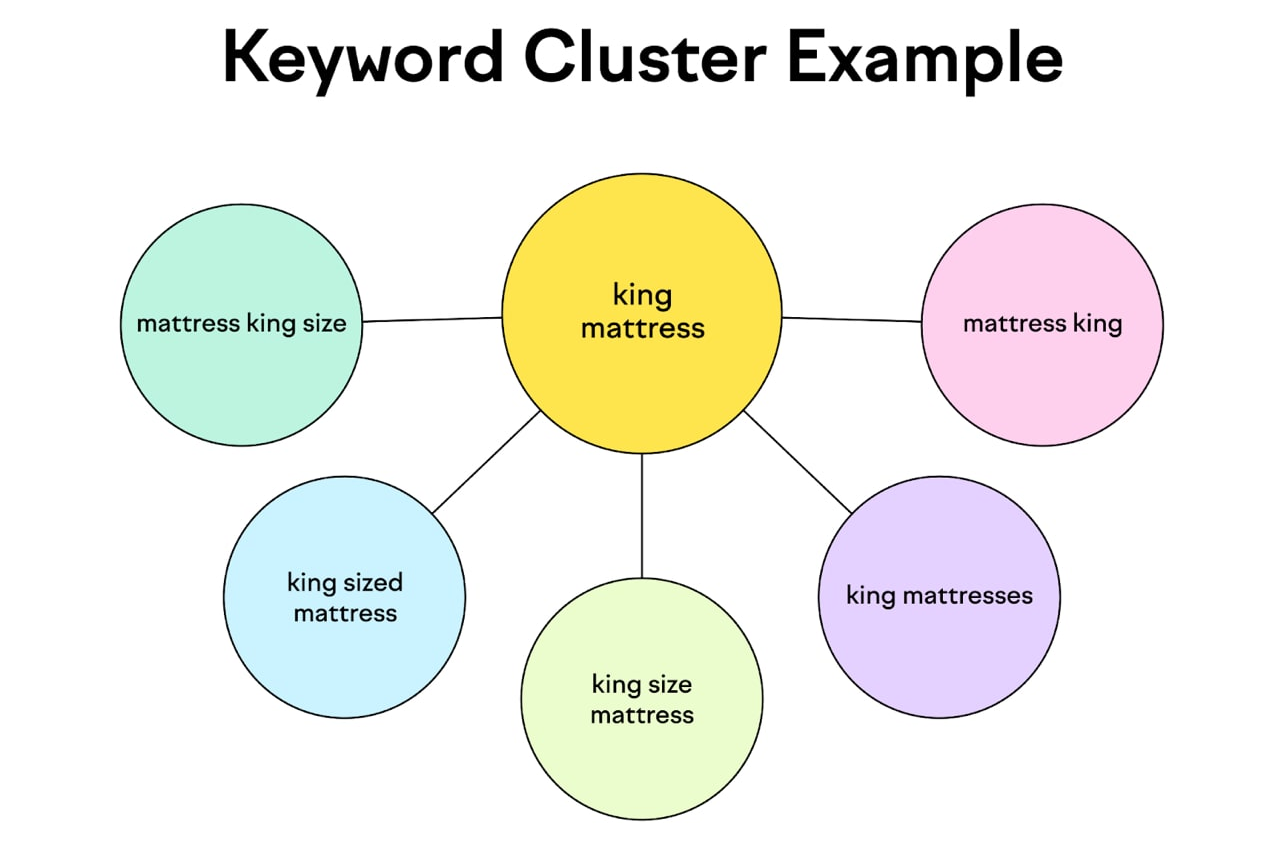
For eCommerce, this may include missing categories (for example, “gold diamond rings” or “hiking jackets”) that users actively search for but your website does not cover. For SaaS projects, these are often missing integration pages or industry-specific solutions.
If there are many such missed queries, eCommerce website scaling and SaaS website scaling become a logical and truly justified next step.
Before scaling your own website, you need to understand how the structures of top-ranking competitors are built. In many cases, competitors don’t simply “have more pages” but have organized them into logical clusters that reinforce one another. If the niche is chosen incorrectly, even a large volume of content will perform inefficiently. We explained this in more detail in the article “How Choosing the Right Niche Helps Build an Effective SEO Strategy.”
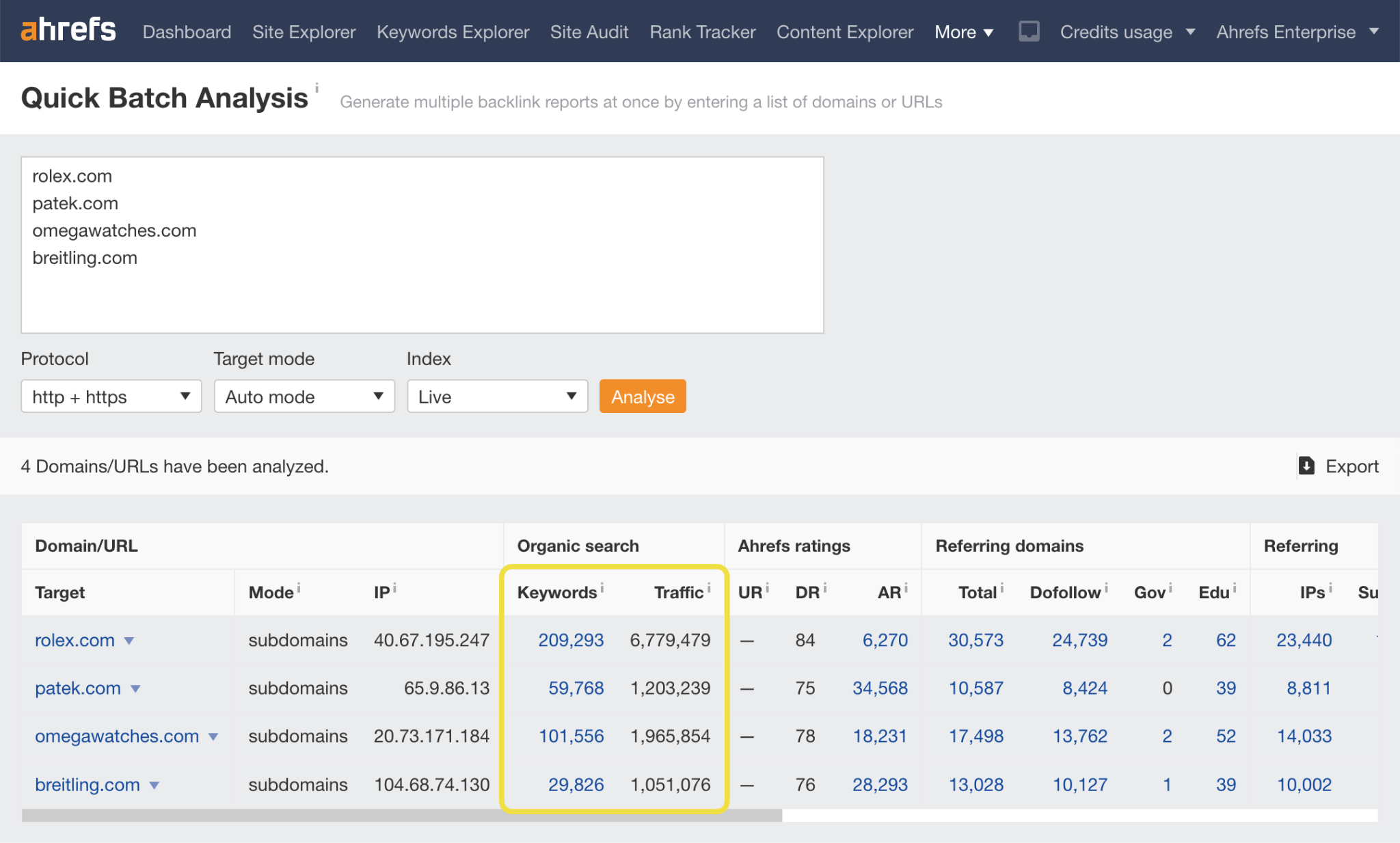
In online store scaling, this is especially noticeable in websites with a well-designed category architecture, where each subcategory targets a specific search query and consistently attracts additional organic traffic (even if that traffic is sometimes low-volume). In SaaS, market leaders often have dozens of dedicated Solutions pages for different business use cases, while smaller projects typically rely on just a few generic product pages. That’s why a proper competitor analysis helps you understand:
Only after this analysis does it make sense to move forward with scaling, having a clear development roadmap.
This factor is well illustrated in one of our mini case studies. A project in the financial niche achieved growth by expanding its structure to cover new demand segments, rather than by increasing the number of generic pages. The Livepage team focused on creating dedicated landing pages for specific financial queries and user scenarios. This approach enabled scaling the website in a highly competitive niche without sacrificing traffic quality and while maintaining stable ranking growth.
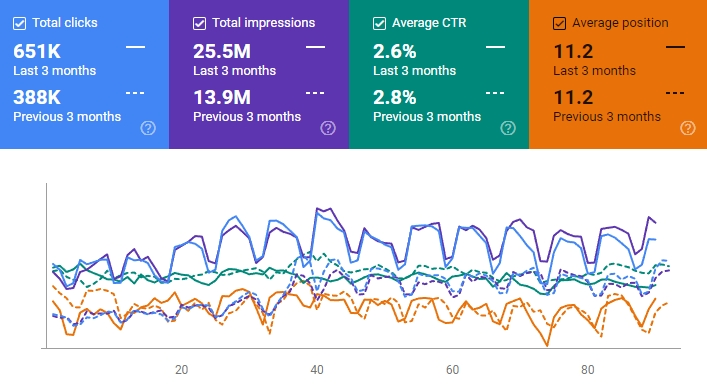
Our other case study of multi-language multi-regional taxonomy deployment for travel portal illustrates how structured localization can expand organic visibility across multiple countries without sacrificing SEO performance.
Different businesses require different approaches to SEO scaling, but the core areas of structural expansion tend to be similar across projects: overall website hierarchy, content, commercial pages, product hubs, interactive elements, and localization. These are the directions that most often drive measurable organic growth.
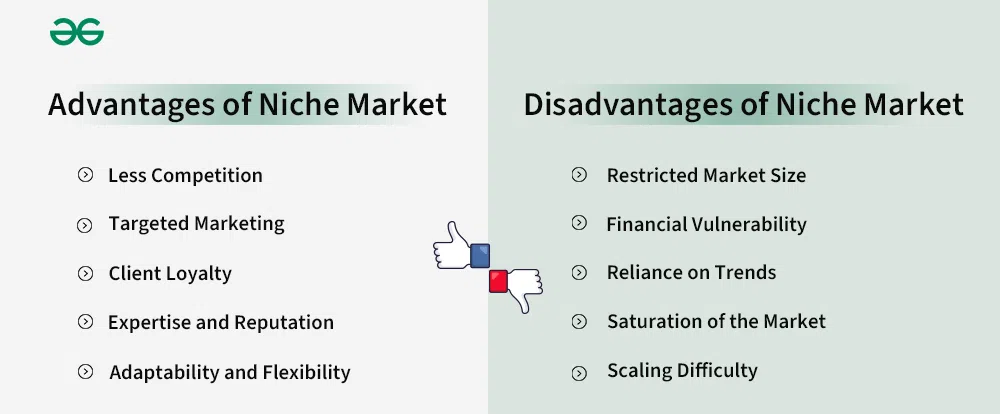
Structure is the first thing Google evaluates. If your structure is weak or incomplete, any attempt to scale will fail to deliver the expected results.
This is most clearly visible in eCommerce. Online stores with a well-developed and logically organized category structure generate significantly more traffic than competitors with the same product inventory but weaker architecture. For example:
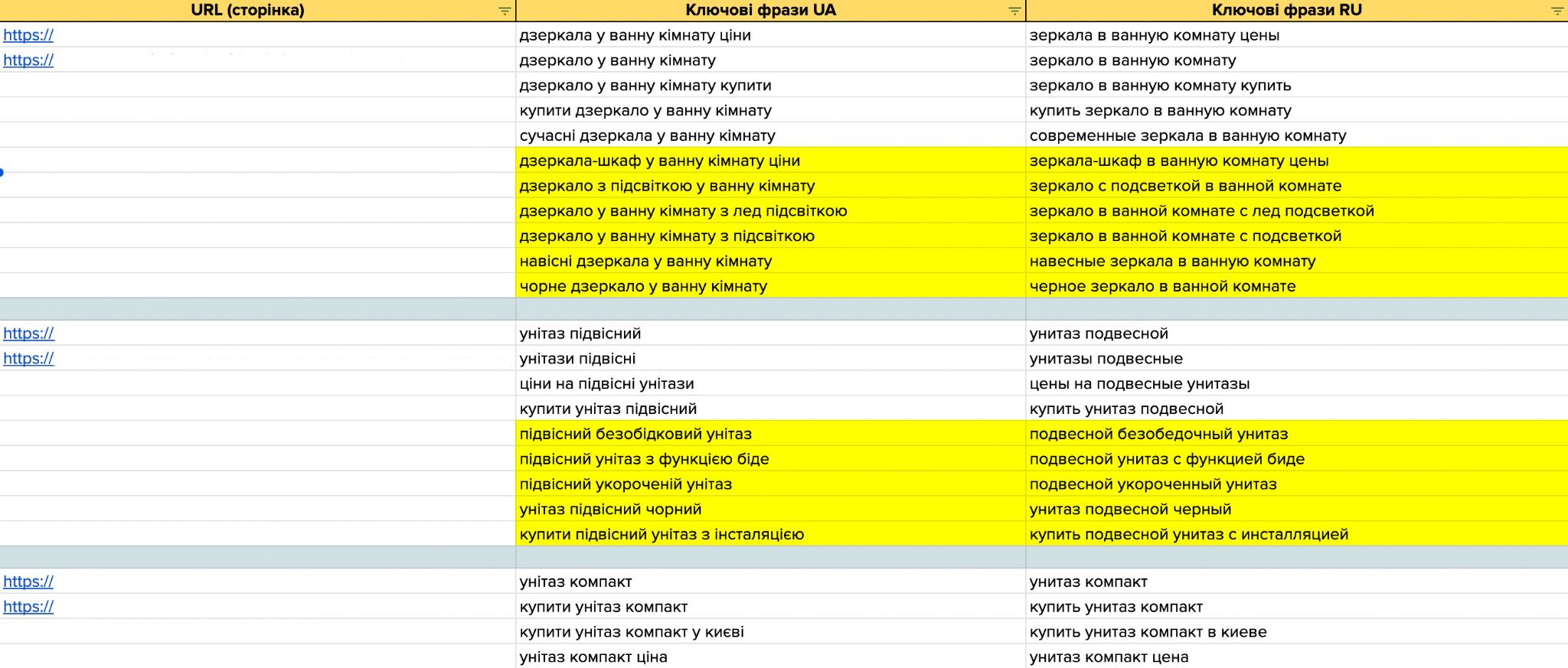
Creating such hub pages (topics that Google perceives as major ones) helps to unite dozens of articles, categories, or services into a single, coherent ecosystem. These hubs tend to rank extremely well and become the foundational layer for a scalable, well-structured website.
A blog is one of the most powerful scaling tools in SEO, but only when it is built using a cluster-based model. Clusters are groups of articles that explore a single topic from multiple angles. At the center is a main pillar page, supported by dozens of related pieces of content. We cover this approach in more detail in the article “SEO Cannibalization: Why It’s Important to Structure Your Blog Content Properly.”
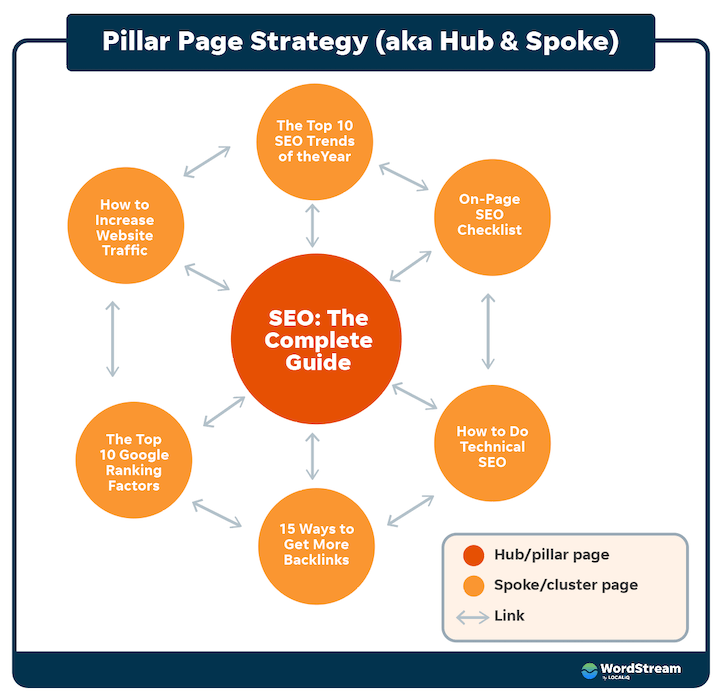
This approach allows you to:
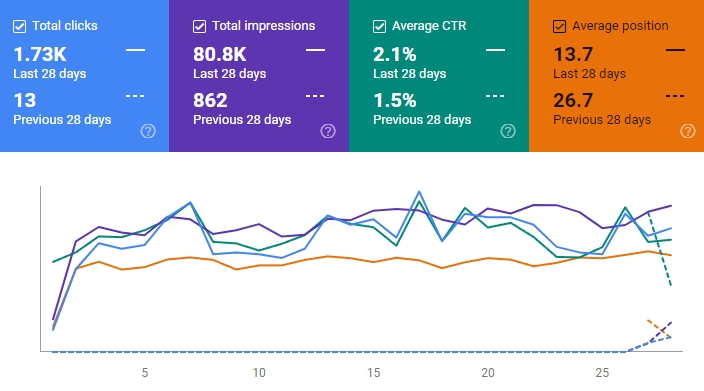
By the way, one of our mini case studies clearly showed that content scaling for websites is not about publishing articles “in bulk,” but about a controlled, strategic rollout of new content clusters. Each new piece was created with cluster logic, internal linking, and prior semantic research in mind. As a result, the content started ranking significantly faster than with the classic, chaotic blog-publishing approach.
In short, blog scaling on a website is effective only when every article in a cluster has a clearly defined role and supports the major topical page. In SaaS, this could be a “Project Management” cluster with subtopics covering Kanban, Gantt, Agile, tool selection, and team roles. In IT, it might be a “Mobile Development” cluster with articles on native vs. cross-platform development or iOS vs. Android comparison.
Commercial pages are the foundation of revenue, which is why scaling them delivers some of the most noticeable results in SEO. The most effective approach is to create landing pages for specific demand segments. For example:
Google favors these pages because they address specific search intent. As a result, they often become the fastest source of new commercial organic traffic.
A logical website structure must work hand in hand with proper internal linking, as Google can’t understand page priorities without it. We cover this topic in more detail in the article “Mastering Internal Linking for SEO and Better Website Navigation.”
For eCommerce websites, scaling often happens through expanding the product assortment. However, you should remember that adding products alone doesn’t guarantee growth. You will see real results only if:
Effective product page scaling ensures that each new item adds value and context to the category rather than just adding bulk.
For example, a construction equipment store can gain an additional 10–20% organic traffic simply by expanding its product range in the “3–5 kW inverter generators” segment if that demand hasn’t been fully covered. This is especially relevant during periods of power outages in Ukraine.
One of the most relevant scaling trends today is the creation of dedicated functional pages such as calculators, configurators, and AI-powered tools.
These pages:
For SaaS, this may include tools like an ROI Calculator or a Project Estimation Tool. In eCommerce, common examples are AI-powered product selectors, ring size generators, or delivery cost calculators. For IT companies, this often takes the form of Project Cost Estimators or AI-based software configuration tools.
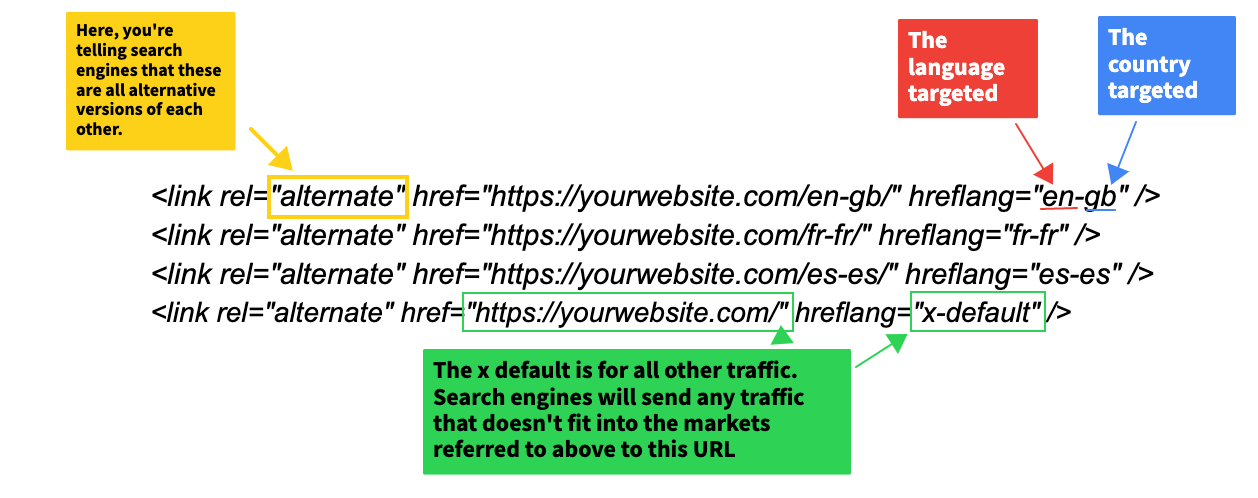
Multilingual SEO is a separate type of scaling that can drive significant organic growth when implemented correctly. In most cases, it involves creating a dedicated subdomain for a specific country (or international shipping), a language subfolder (such as /pl/, /en/), and properly configuring hreflang tags for search engines. Choosing the right subdomain vs subdirectory approach early helps prevent costly structural changes as the website grows.
Launching new language versions makes sense when:
At the same time, there are several risks to consider:
In SaaS and IT, multilingual expansion often becomes a key driver for entering new markets. In eCommerce, however, the most effective approach is usually website scaling through localization for specific regions or nearby countries, using country-specific domains such as .pl, .ro, or .de.
“Naurok” is the largest Ukrainian online education portal for teachers and students. The project’s mission is to bring modern education to a qualitatively new level and help teachers feel the value of their work. Within the platform, every educator can publish their own professional materials or use resources created by colleagues.

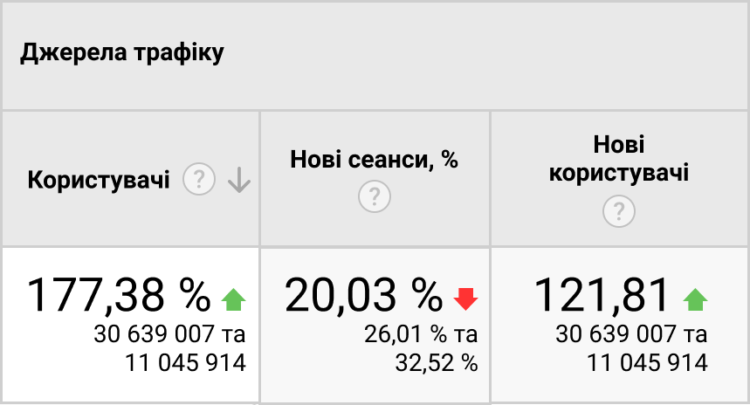
At the start of our collaboration with the educational project Naurok.com.ua, we conducted a detailed niche analysis and assessed the current state of the business. For many target keywords, the website already ranked on the first page of search results and was one of the strongest players in the market, attracting over 1 million visits per month. For a large-scale project, point-based page creation and optimization rarely deliver noticeable results or justify implementation costs. Moreover, such isolated actions are ineffective in the long term and often lead to falling behind competitors. That’s why we combined large-scale implementations across hundreds of pages with focused work on individual high-priority pages or even specific high-value queries. This approach allowed us to increase traffic to 5.5 million visits per month in less than six months.
One of the most valuable insights from the competitor analysis was identifying pages capable of attracting large volumes of free organic traffic that were still missing from the website. We discovered that users were looking for specific types of educational materials, and realized we could create new page types using existing content:
A deep understanding of its social responsibility enabled the Naurok portal to become a daily assistant for thousands of teachers, students, and parents across Ukraine. The project reached 33,000 registrations per month, demonstrating strong user engagement and interest in the offered educational content. We continue our partnership with the business, developing new strategies to achieve even greater results.
Website scaling is complex, but it remains one of the most powerful ways to drive organic traffic growth. When implemented correctly, scaling opens up new market segments, strengthens core pages, balances website architecture, and builds strong brand authority and recognition.
However, scaling only works when it is based on in-depth niche analysis, proper technical optimization, well-structured semantic research, and a clear, logical website architecture.
The Livepage team will help you build a scalable website structure that not only uncovers new opportunities within your niche but also delivers a steady flow of organic traffic and qualified leads.


“Livepage has proven to be a reliable source for rapid online growth. We started with 2,000 visitors per month. In 3 years together with Livepage we have reached 70,000 visitors and more than 100 leads from the site per month.”


“As for the results, we’ve been working together since 2015, and our traffic has increased 10x. I cannot say that Livepage was our first SEO company, but they have become the first SEO partner that helped us to achieve the success we were looking for.”


“Livepage delivers SEO efforts that have led to an increase in the site’s users, traffic, and conversions. The team uses a wide range of tools to achieve the client’s goals. They are attentive to the client’s needs, working with them in real-time and bringing in additional specialists when needed.”


“I am pleased with the quick task execution and the instant replies to my messages.”


“I like the complex approach that the Livepage team offers. Absolutely all team members work together; everyone is aware of what is happening on the project. We have one common goal – to increase our service sales, and the team is making every effort to achieve the goal as soon as possible.”


“We’ve been really impressed by how Livepage quickly understood our business and centred our PPC campaign around our objectives. We have achieved good results within a very short time in both revenue and ROI.”


“Everything is clear, timely, and understandable.”


“They have leveraged ideal opportunities to reach our business goals.”