




9 min reading
GA4 BigQuery Export: When You Really Need It


For any enterprise with a local focus, whether it’s a brick-and-mortar store or a service area business, a well-thought-out SEO strategy is crucial for effectively reaching out to local clientele and boosting visibility for people living or working in the vicinity. But sometimes, no matter how hard you try, a geo-specific audience remains blind to your online and offline existence, and your ranking in Google search results is unacceptably low. The only lifeline for businesses in such a situation is a thorough local search audit.
This article explains the essence of local SEO and describes how to do a local SEO audit, enumerating all its stages and providing valuable local SEO site audit tips.
Hitting it big and entering the major league of business is a coveted dream for many entrepreneurs. However, to reach such heights, you should start small and cater to the needs of consumers nearby. For this purpose, you have a local SEO, the ultimate goal of which is to dominate the local pack rankings and appear at the top of search results for users around your service area. Relevance, proximity, and trust are key factors that make such users choose you over dozens, if not hundreds, of competitors in the niche.
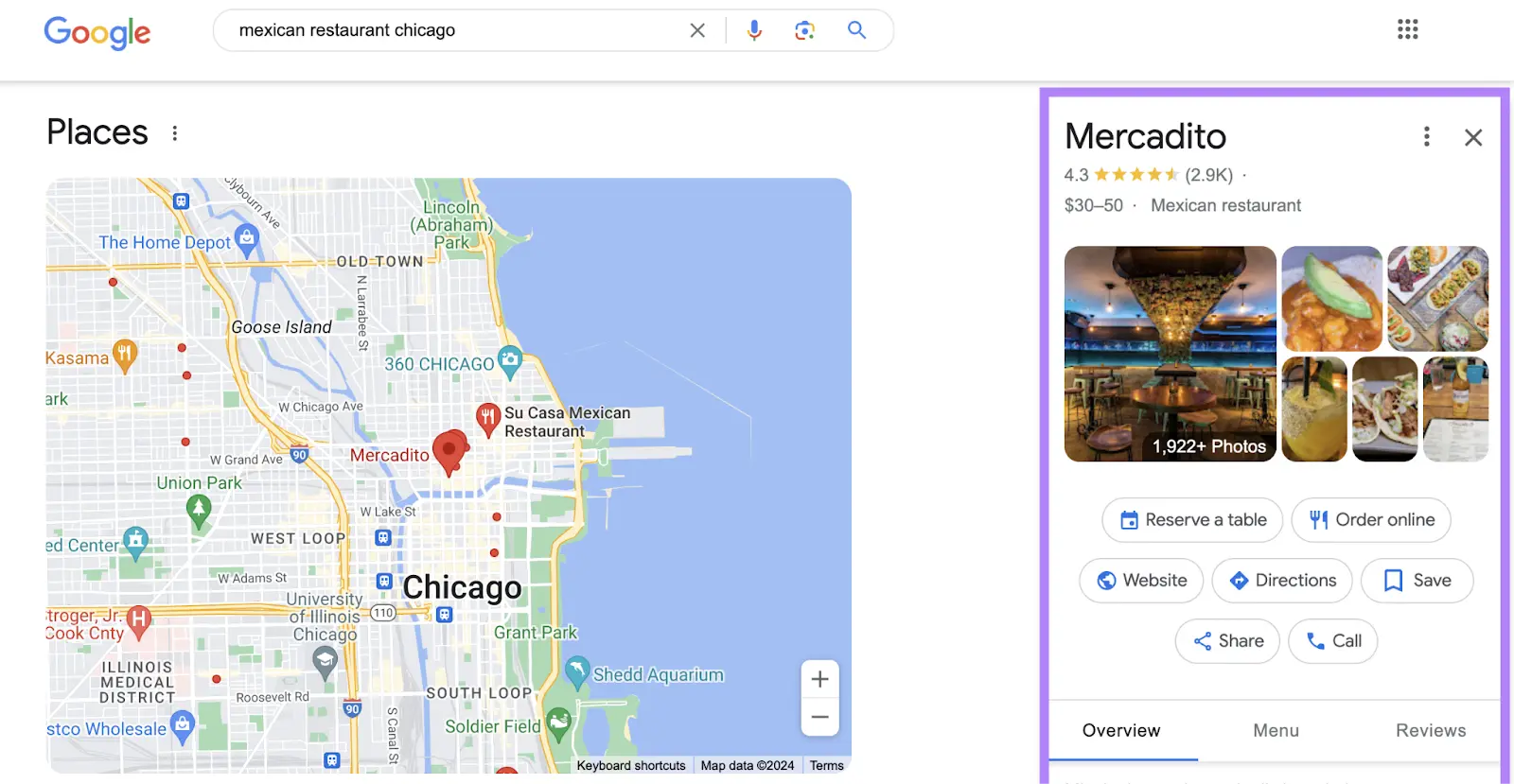
How to make the search engine recommend your organization in various listings? You should create and regularly optimize your major digital footprint — your Google Business Profile (GBP), maintain consistency of NAP (name, address, phone number) across all directories, publish localized content with local keywords on your website, earn community backlinks and citations, and appear in reviews.
But how are you to know that you do everything up to the mark? A comprehensive local SEO performance analysis can help you see which elements within your local SEO strategy are working well and where there is room for improvement or even radical overhauling of approaches and methods. Understanding the value of local SEO benefits allows businesses to prioritize optimization efforts that have the greatest impact on long-term local visibility.
There are a few things you need to prepare before embracing local SEO analysis. A local SEO audit checklist includes the following positions:
When you have all the items on the checklist ready, you can confidently go through the phases that a typical local SEO audit template contains.
Here are the key aspects to check on your site.
You should focus not only on the overall UX, but also on site structure, navigation, and local business schema markup that allow search engines to understand where you hail from and what services you offer.
The site should be mobile-friendly and display the shortest possible loading time. If it takes longer than 3 seconds to load, you are potentially losing 53% of clients.
All titles, meta tags, descriptions, headers, internal links, and attribute alt values should be SEO-optimized, especially those mentioning your location.
It should be both of high quality and relevant to the local public, containing reports about local events, blog posts, and FAQs that address location-specific issues, highlight community involvement, and inform readers about local partnerships.
A well-planned local SEO content strategy helps businesses create location-specific content that supports both rankings and customer engagement.
To augment your local visibility, you should:
The name, address, and business phone number(s) should be identical across all directories and listings, coinciding with those provided on your website.
These should showcase your office, with its exterior and interior, employees, and completed projects. Uploaded visuals both increase your SEO rankings and boost users’ trust.
This is the best opportunity to inform potential clients and search engine algorithms about the unique aspects of your organization. These texts should be filled with local keywords and describe your major offerings and core values.
It’s not only about encouraging feedback. Remember that for users, posting reviews and participating in rating composition should be easy via direct links or emails. Besides, you should respond to questions and requests promptly and address complaints properly, focusing on resolution.
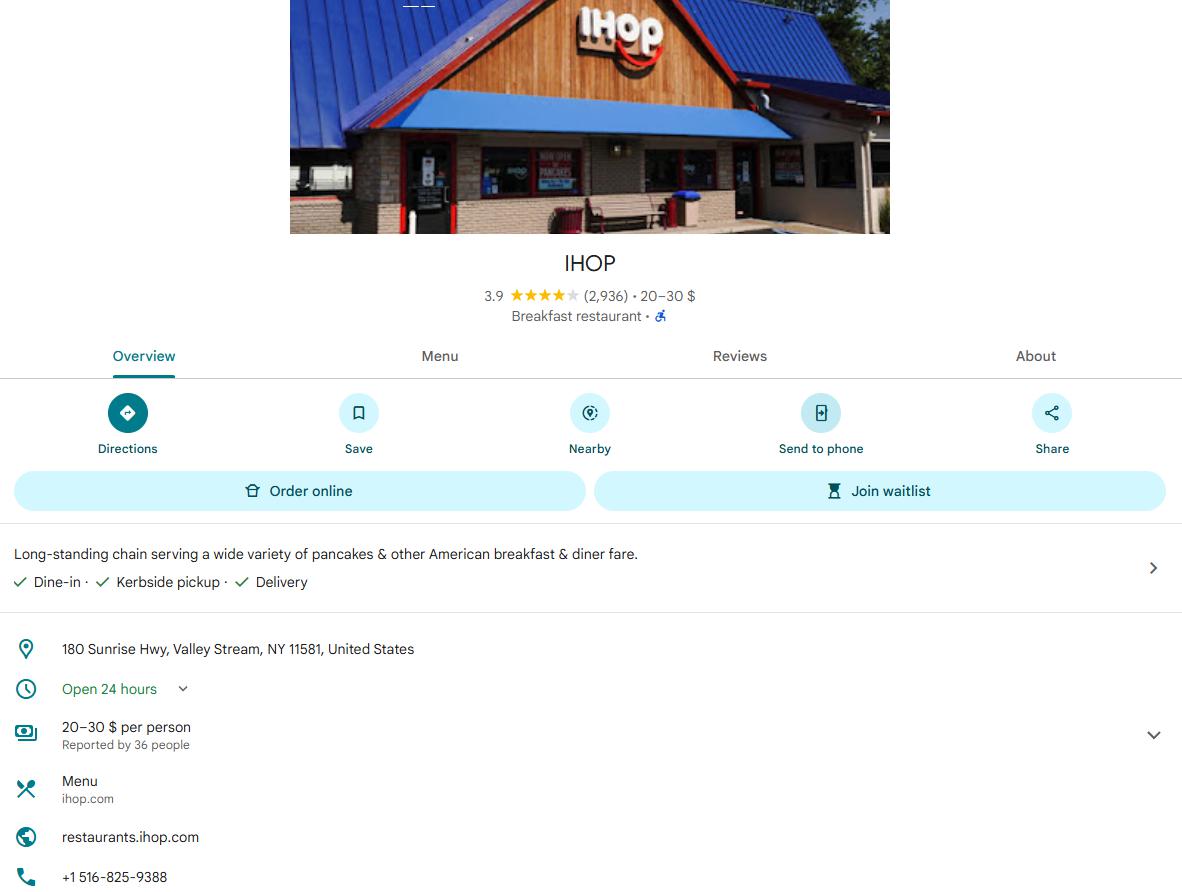
These are NAP mentions of your business in various online resources (directories, ranking platforms, social media, maps, etc.). They help customers find you and serve as fundamental signals of trustworthiness for search engines.
You can leverage specialized tools (e.g., Whitespark or BrightLocal) to track citations, spot errors, if any, remove duplicates, and insert accurate information.
Your NAP should appear on resources such as Apple Maps, Yellow Pages, TripAdvisor, Yelp, Bing Places for Business, as well as on industry-specific listings.
The more links to your site or its pages are found on the internet, the better your online visibility is.
You should comb through all local news sources (newspapers, bloggers, community sites, etc.) and discover which of them refer to you. SEMrush or Ahrefs are of great help in this regard. Tips for improving this part include creating high-quality, shareable, and locally focused content, involving guest blogging, promoting your business on social media, and leveraging influencer marketing.
Ensure each link leads to your site or GBP. All dead links should be fixed, and spammy links should be removed, so as not to dilute authority.
In the cut-throat competition that exists in the contemporary oversaturated market, you should go to great lengths to outstrip your rivals in the industry or niche. To do that, you should:
Examine rating platforms and business listings to identify your local competitors.
You should consider the quality of their GBP and differences in content strategies. But your ultimate goal is to research them for core keywords, traffic, and positions. Again, SEMrush and Ahrefs will help you in this endeavor.
Keywords that your GBP and website contain should relate to local events, places, and people. Therefore, a local SEO keyword audit should include the following measures:
Google Keyword Planner is your go-to tool for search terms used by locals that contain your services or products.
To identify search intent, start by looking at what appears on the Search Engine Results Pages (SERPs). The algorithms prioritize the most relevant content in accordance with users’ intent and the problems they face. Typically, these queries combine your main keyword with a location and modifiers like how to, tips, reviews, buy, order, hire, best, cheapest, or comparison.
A local SEO audit focuses on checking several performance parameters.
Here, you ensure that search engines can access and index your site. It involves checking the configuration of the robots.txt file, verifying the accuracy of the XML sitemap, and examining the Google Search Console report for indexing errors and unindexed pages.
This schema is implemented to assist Google mechanisms in understanding relevant business data (working hours, NAP, location, etc.) and displaying rich snippets in search results. Google Rich Results Test is used to validate the schema implementation.
Check your site for 404 errors and outdated URLs. All broken links should be fixed or redirected, and existing redirects shouldn’t create loops or long chains that slow down crawling or confuse users.
The site should have a valid SSL certificate and load over HTTPS on all pages. Make sure there are no mixed-content warnings and that HTTP URLs correctly redirect to HTTPS, so users and search engines see your site as secure and trustworthy.
The site structure should be logical and simple, key pages should be within a few clicks from the home page, and internal links should be anchored to descriptive texts and function properly.
The audit measures here are mostly identical to those mentioned in Step 2. But now, reviews and reputation are managed on a broader scale.
The review section should be available to users on the company’s website, its social media pages, and other platforms. Also, the company shouldn’t leave any review unattended. The audit team should check all of them and ensure the enterprise can keep track of them.
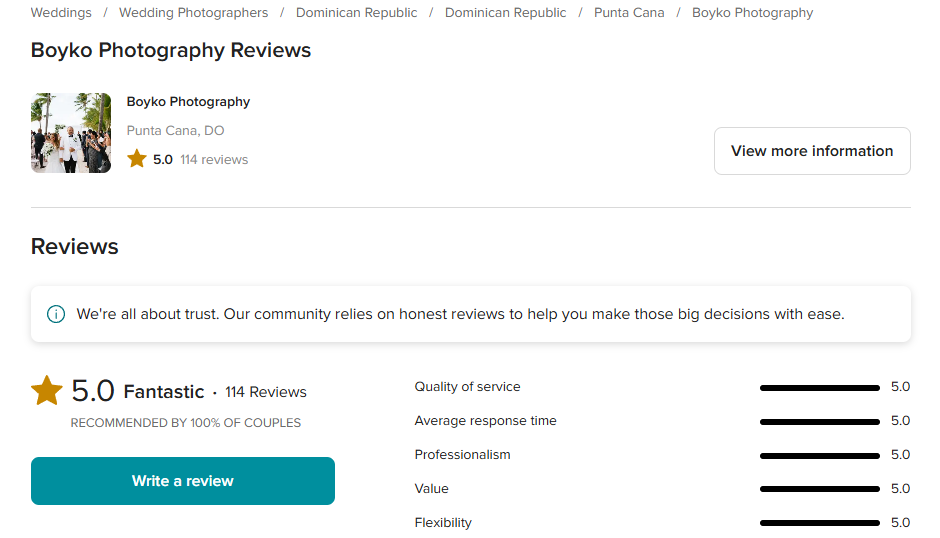
The performance tracking best practices include:
Conventionally, local search results are evaluated using metrics such as GBP insights (views, clicks, and calls), local keyword rankings, traffic from local searches, customer review volume and ratings, and conversion rates.
The same audit principles are equally valuable for local SEO for B2B companies operating within defined geographic markets.
Effective tracking of local SEO metrics is possible only through specialized software. The most popular free tool in this field is Google’s suite, which encompasses GBP, Google Search Console, and Google Analytics 4. Among paid tools, we recommend Ahrefs, SEMrush, and BrightLocal.
A professional auditing team goes beyond simply stating facts. Another vital deliverable of the procedure is a set of actionable recommendations.
This is a comprehensive, step-by-step action plan that reflects a structured approach to improving a company’s discoverability through location-based searches and “near me” queries. The document should also suggest corrections of the current inefficient local SEO mechanisms and outline improvement steps for underperforming areas.
Short-term measures, such as meta tag optimization, improving the site’s mobile-friendliness and speed, and fixing broken links, can boost immediate local SEO metrics. But they should go hand-in-hand with strategic steps (generating evergreen local content, fostering brand authority and loyalty, receiving backlinks from reputable industry sources, and more) aimed at building sustainable organic growth.
A practical example is a multi-location SEO roadmap for STI Garage Door, where structured optimization helps improve visibility across multiple service areas.
***
The importance of a local SEO audit for location-based businesses lies in its ability to validate the visibility of an organization’s digital footprint in Google search results. By checking the SEO quality of the website, GBP, backlinks, keywords, and technical aspects, as well as conducting competitor analysis, tracking performance, and outlining improvement recommendations, companies can identify steps to enhance discoverability by local consumers of their products or services.
If you want to get a professional local SEO audit and a clear development plan for your business, contact the Livepage team. Their specialists will help identify growth opportunities, fix technical issues, and build a strategy that delivers real results in local search.
It is a complex of measures and strategies designed to help enterprises enhance their visibility in local search results and reach the top of local pack rankings. Typically, these measures include optimizing GBP, ensuring NAP consistency, utilizing local keywords, building local citations, and conducting a thorough local SEO audit.
When preceded by a comprehensive local SEO performance analysis, local SEO efforts generate greater foot and online organic traffic, invite more calls and conversions, and drive sales. Besides, by targeting customers in the vicinity, earning reviews and backlinks, and fostering credibility with their clientele, small organizations pave the way for the sustainable growth of their business.
Short-term effects, like increased calls or impressions, can be felt within a couple of months. Mid and long-term results will become apparent after half a year or even longer of building momentum, when internet and foot traffic grow, rankings for local keywords improve, and you get to the top of local search results.


“Livepage has proven to be a reliable source for rapid online growth. We started with 2,000 visitors per month. In 3 years together with Livepage we have reached 70,000 visitors and more than 100 leads from the site per month.”


“As for the results, we’ve been working together since 2015, and our traffic has increased 10x. I cannot say that Livepage was our first SEO company, but they have become the first SEO partner that helped us to achieve the success we were looking for.”


“Livepage delivers SEO efforts that have led to an increase in the site’s users, traffic, and conversions. The team uses a wide range of tools to achieve the client’s goals. They are attentive to the client’s needs, working with them in real-time and bringing in additional specialists when needed.”


“I am pleased with the quick task execution and the instant replies to my messages.”


“I like the complex approach that the Livepage team offers. Absolutely all team members work together; everyone is aware of what is happening on the project. We have one common goal – to increase our service sales, and the team is making every effort to achieve the goal as soon as possible.”


“We’ve been really impressed by how Livepage quickly understood our business and centred our PPC campaign around our objectives. We have achieved good results within a very short time in both revenue and ROI.”


“Everything is clear, timely, and understandable.”


“They have leveraged ideal opportunities to reach our business goals.”