



1 min reading
Review of Cooperation with Livepage from MISSIA Bridal


Backlinks have long been one of the key signals search engines use to evaluate a website’s authority and relevance to a particular topic. But in practice, it is not just the number of links that matters but also what those links look like: which anchors are used, how natural the anchor profile appears, and whether it raises any red flags for Google’s algorithms.
That’s why today, anchor and non-anchor links are much more than just a technical aspect of link building. They are one of the factors that can either strengthen your SEO performance or, on the contrary, lead to ranking drops.
In this article, we will explain the difference between anchor and non-anchor links, how they affect your website’s performance, why an improper balance between them can create ranking risks, and how to build an anchor profile that looks natural for modern, secure link building.
Both anchor and non-anchor links serve the same basic purpose in SEO: to send an external signal that references a specific page on your website. The difference is in how they do it.
The main distinction lies in the text used for the link and the way search engines interpret that text. Anchor gives Google additional context about page content and which keywords it may be ranked by.
In practice, both types of links play an important role because they serve different purposes within a single website anchor profile.
Anchor links help pass topical relevance for specific keywords, while non-anchor links create a more natural backlink profile and reduce the risk of over-optimization because they are not connected to a specific search query.
In modern SEO, there are several common types of anchors used for link building:
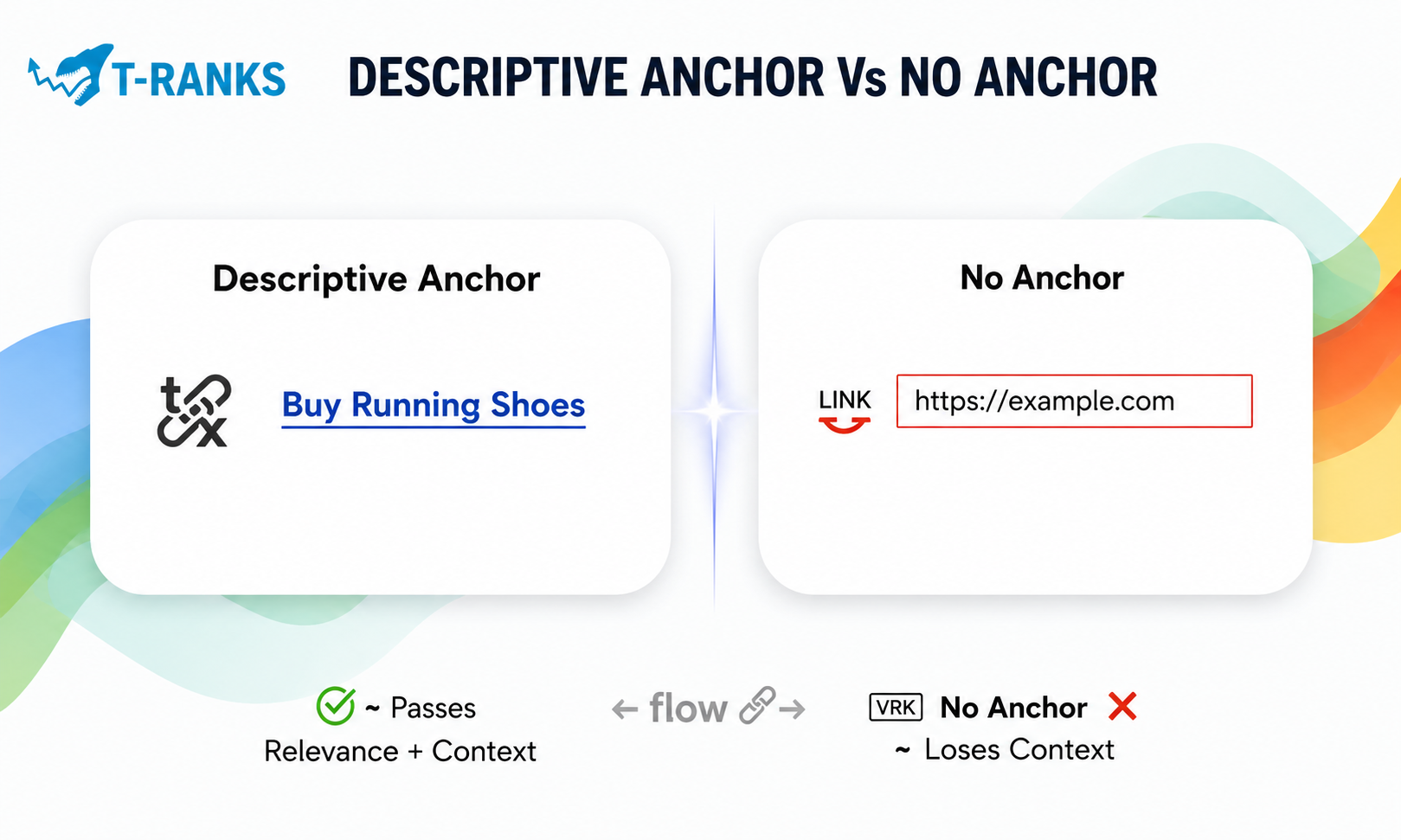
Each of these types plays its own role in building a natural website anchor profile. At the same time, our SEO specialists have repeatedly observed that an improper anchor-to-non-anchor link ratio is often one of the main reasons behind unstable ranking growth or sudden ranking drops after Google algorithm updates.
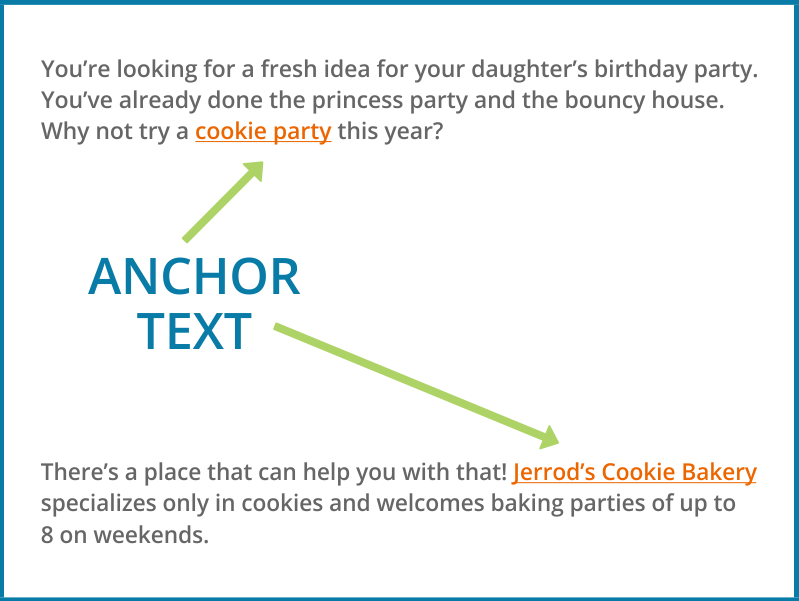
What are anchor links? These are links that use anchor texts for link building, containing a keyword, phrase, or another topic-related expression.
This text is the clickable part of the link, and it gives search engines additional context about the page the link points to.
For example, if a page is optimized for the keyword “SEO for small businesses,” an anchor link might look like “effective SEO for small businesses” or “SEO services.” These types of anchors help Google better understand the page’s relevance to specific search queries and have historically been one of the strongest ranking signals.
Today, however, anchor links are also one of the most common causes of over-optimization. If a website receives too many links with identical commercial anchors, the pattern looks unnatural to Google and may signal an attempt to manipulate search rankings.
What are non-anchor links? These are links that do not contain a target keyword or commercial phrase in the text.
Most often, they appear as a page URL, a brand name, or neutral words that are not connected to a specific search query. For example: “https://site.com,” “Livepage,” “source,” or “company website,” etc.
That’s why non-anchor links in SEO are considered one of the safest ways to build a natural backlink profile for search engines. They better reflect organic user behavior and real brand mentions online.
When someone genuinely recommends a company, shares an article, or mentions a website on a forum, they rarely use exact commercial anchors. Because of this, Google pays closer attention to websites whose anchor profile appears overly optimized for SEO.
In modern link building, non-anchor links are widely used in Digital PR campaigns, crowd marketing (forums), guest posting, and AI outreach strategies. Our SEO specialists often use branded or URL links to diversify an anchor profile, making it look safer and more natural for search engines.
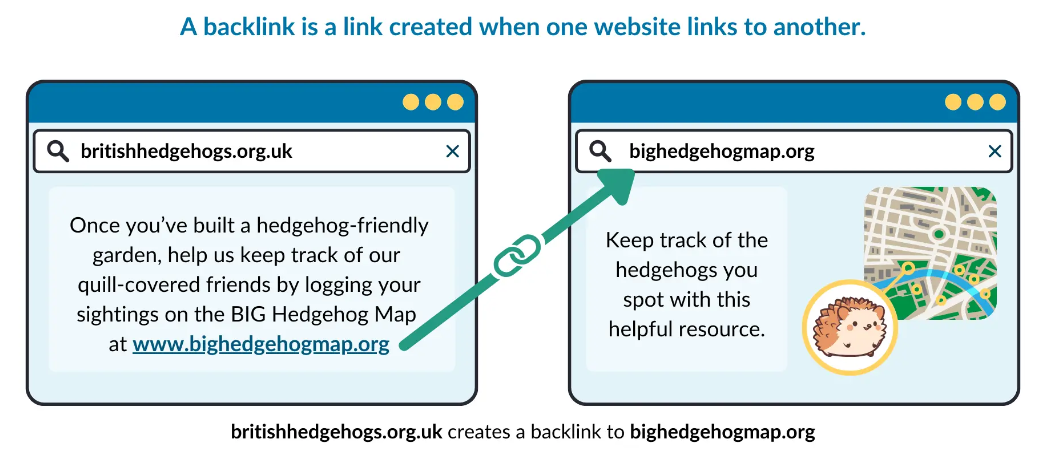
It is also important to understand that non-anchor links are not weaker than anchor links. They still pass authority to a page, help strengthen brand trust, and can positively impact your website’s SEO performance.
As we have already mentioned, anchor links in SEO have historically been one of the strongest signals search engines use to understand what a page is about. Through anchor text, Google gets additional context about which search queries a page may be relevant for.
If several authoritative websites link to the same page using similar anchors, search algorithms interpret this as a signal that the page is genuinely relevant to that topic or search intent.
That’s why anchor links in SEO remain an important part of link building, especially when promoting commercial pages, categories, or new URLs that do not yet have enough “history” for the search engine.
For example, if a page is optimized for the keyword “eCommerce SEO services”, having relevant anchors with similar wording helps Google understand the page’s topic faster and connect it to the appropriate keyword cluster.
At the same time, Google’s approach to analyzing anchors has changed significantly over the years. While a large number of exact-match anchors could once quickly improve rankings, today an over-optimized anchor profile often has the opposite effect.
Google’s algorithms have become very good at detecting unnatural link-building patterns: excessive use of identical anchors, sudden spikes in commercial links, or an unusually high percentage of keywords in external mentions (large-scale paid link-building campaigns).
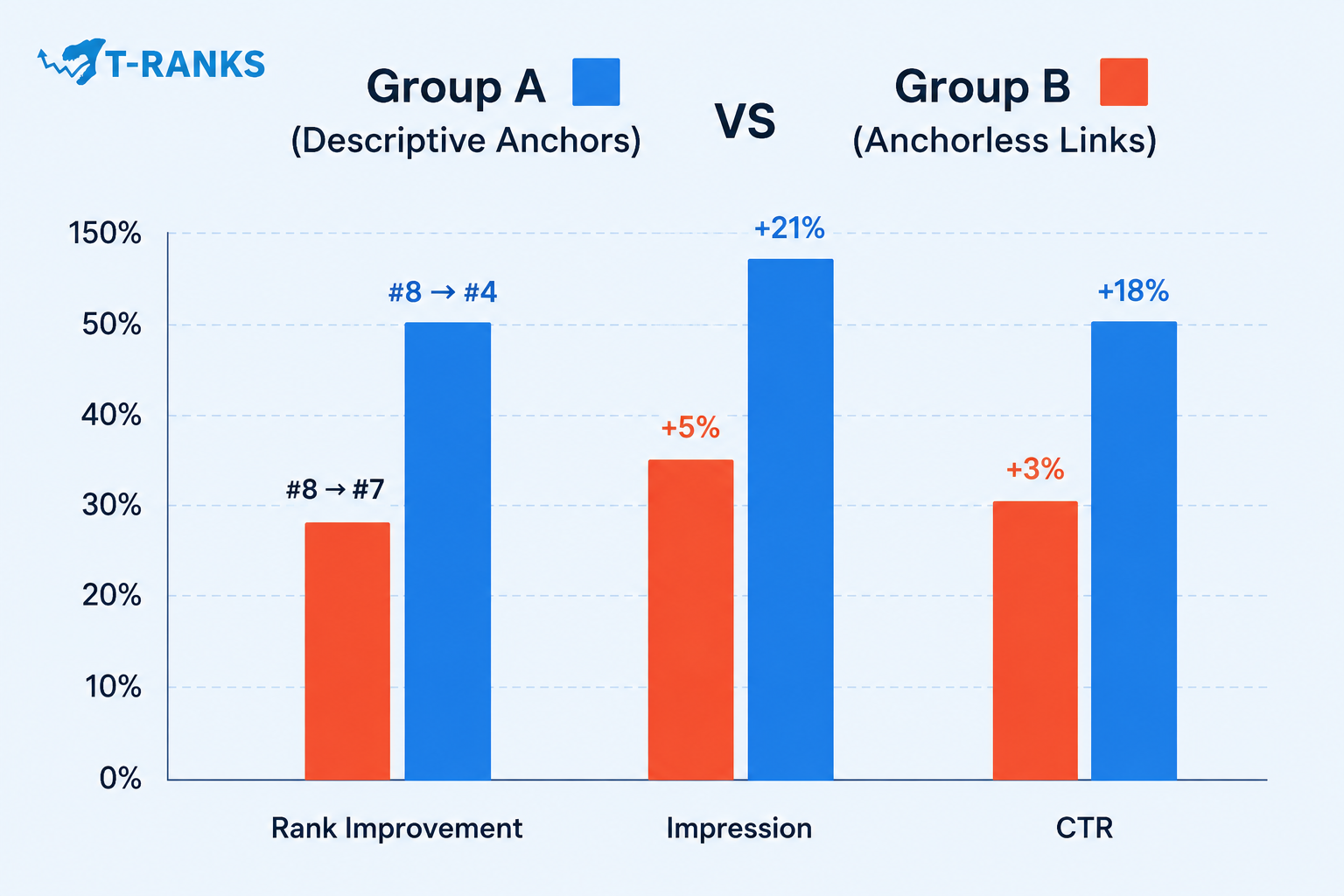
In our practice, we have repeatedly seen websites lose ranking stability after aggressive link-building campaigns because of anchor over-optimization.
This is especially common in highly competitive industries such as finance, esports, and eCommerce, where Google analyzes backlink profiles much more closely. In cases like these, the problem is not the anchor links themselves but the unnatural ratio to branded, URL, and non-anchor links.
Modern link building is no longer about stuffing anchors with keywords. Instead, it is about building a logical, topically relevant, and natural website anchor profile.
With that in mind, the impact of anchor links on SEO remains significant. Today, however, their effectiveness depends largely on the quality, relevance, and natural use of anchors.
Non-anchor links are often underestimated because they do not contain a target keyword and, at first glance, seem less valuable for ranking specific search queries.
In reality, they are one of the key elements that make a backlink profile look natural and resilient to algorithm updates. If a website receives only commercial anchor links, the pattern appears unnatural because people are much more likely to link to a brand, paste a URL, or simply mention a website without using an optimized anchor.
Many website owners wonder how non-anchor links affect SEO. First and foremost, they help build trust in your domain and maintain a natural backlink profile.
Non-anchor links are also great for balancing aggressive link-building strategies. They do not always strengthen a specific keyword directly, but they improve brand awareness, trust in your website, and stability of your backlink profile. This is especially important for websites that already have a large number of commercial anchors and need to grow their external mentions more carefully.
These links also work particularly well in situations where an SEO-focused anchor would feel unnatural, for example, in PR articles, reviews, brand mentions, directories, forums, guest posts, or expert contributions. In these cases, linking with a brand name or URL feels much more natural to readers and does not give the impression of manipulating search rankings.
That’s why non-anchor links in SEO should not be viewed as a secondary type of link. Instead, they are an essential part of safe link building. They help maintain a natural anchor profile, reduce the risk of over-optimization, and create a strong foundation for sustainable SEO growth over the long term.
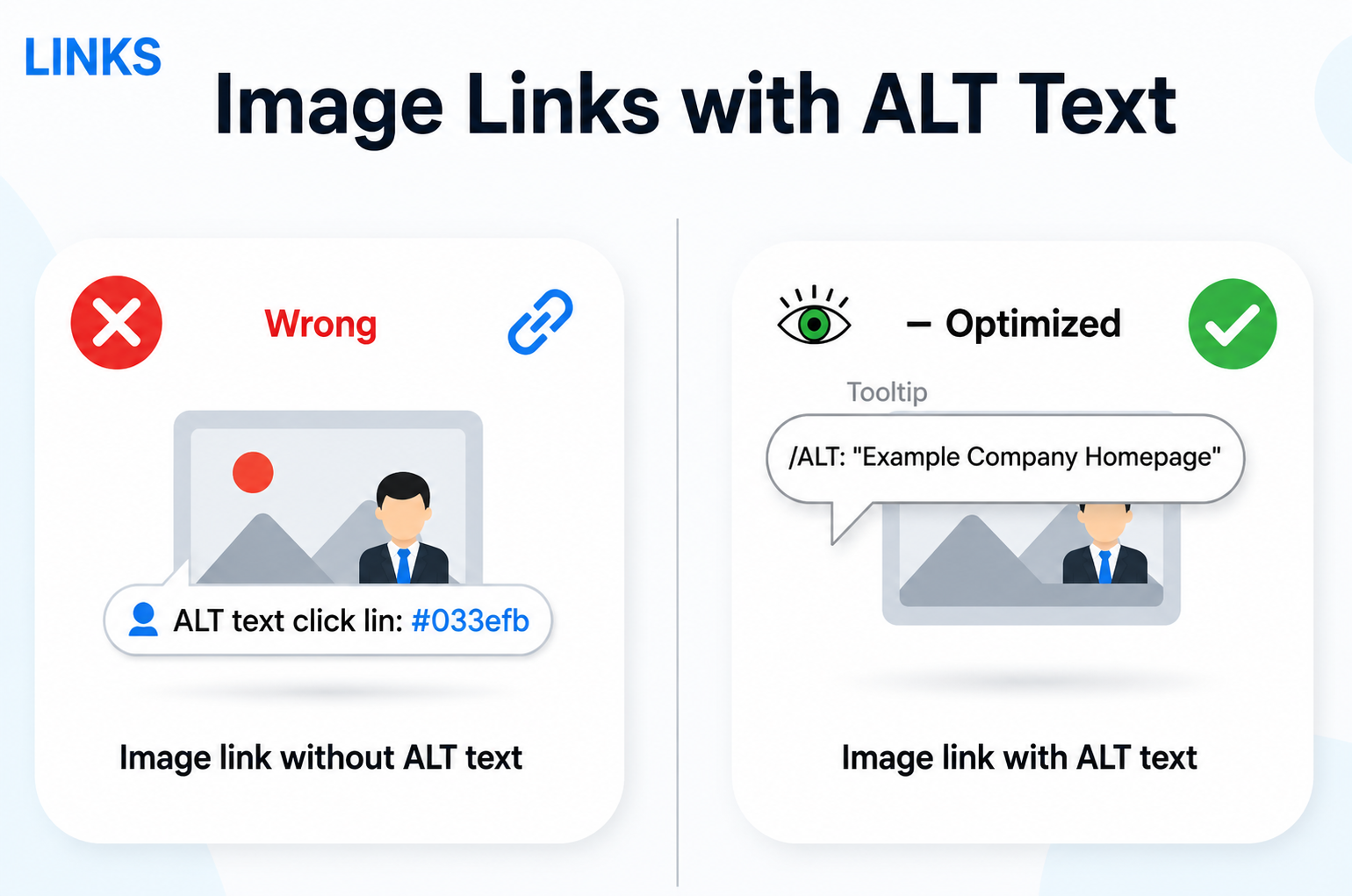
It is also worth mentioning that non-anchor links are not limited to text or URLs. They can also come from images. For example, an image on another website may link back to your site, or another website may display an image directly from your domain. Under normal circumstances, these are natural links or brand mentions. However, in competitive industries, less ethical practices sometimes appear, including hotlinking spam.
In these cases, competitors or spam websites create large numbers of image-based links that artificially clutter your backlink profile and make it harder to analyze. That’s why a link audit should include not only text anchors but also links generated through media files.
Our SEO specialists covered an example of how to deal with hotlinking spam in our SEO case study for the jewelry brand SOVA.
There is no universal formula for the perfect balance between anchor and non-anchor links that works for every website.
Every industry, region, and project type has its own version of what a natural anchor profile should look like. For example, a well-established brand can naturally have a high percentage of branded and URL links, while a new website in a competitive niche should increase the number of commercial anchors gradually to avoid creating unnatural link patterns.
Our SEO specialists always evaluate an anchor profile within the context of the competitive landscape. If the top-ranking competitors have large backlink profiles, a high percentage of branded mentions, and steady growth in referring domains, aggressively building exact-match anchors for a new website may look suspicious. On the other hand, if competitors actively use topical partial-match anchors, relying entirely on a non-anchor strategy may not be enough to improve rankings.
That’s why the anchor-to-non-anchor link ratio should never be based on guesswork. It should be determined through an analysis of your current backlink profile, its growth dynamics, types of referring domains, and your competitors’ strategies. You should evaluate not just the number of anchors but also their quality, including relevance to the page, repetition frequency, alignment with search intent, and how naturally they fit into the content.
In most cases, the safest strategy is to combine different types of links, including branded, URL, non-anchor, topical, and a reasonable number of commercial ones. This approach passes topical relevance while avoiding the appearance of artificial link manipulation. Ultimately, it is this balance that creates a natural anchor profile capable of supporting stable SEO growth without unnecessary risks.
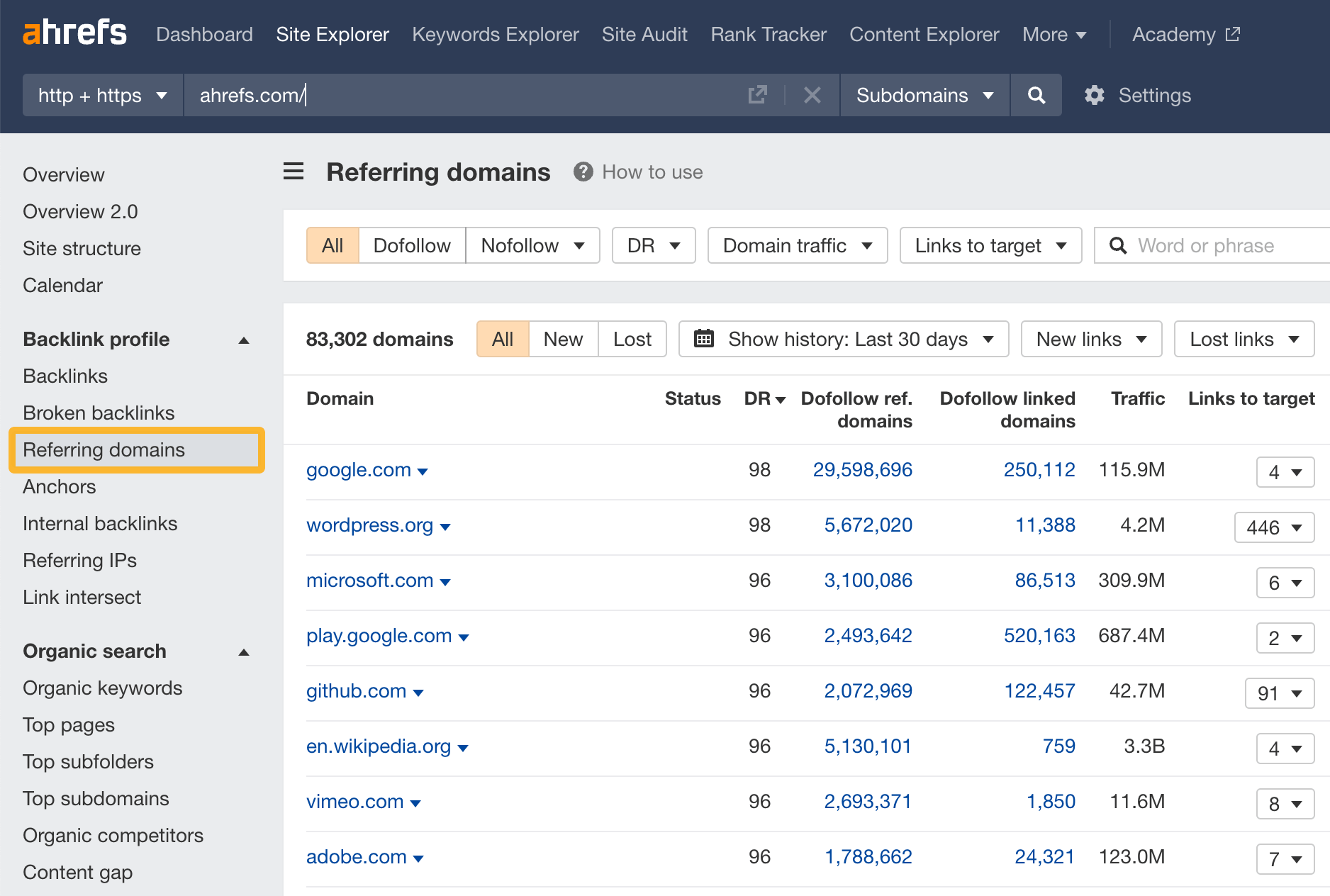
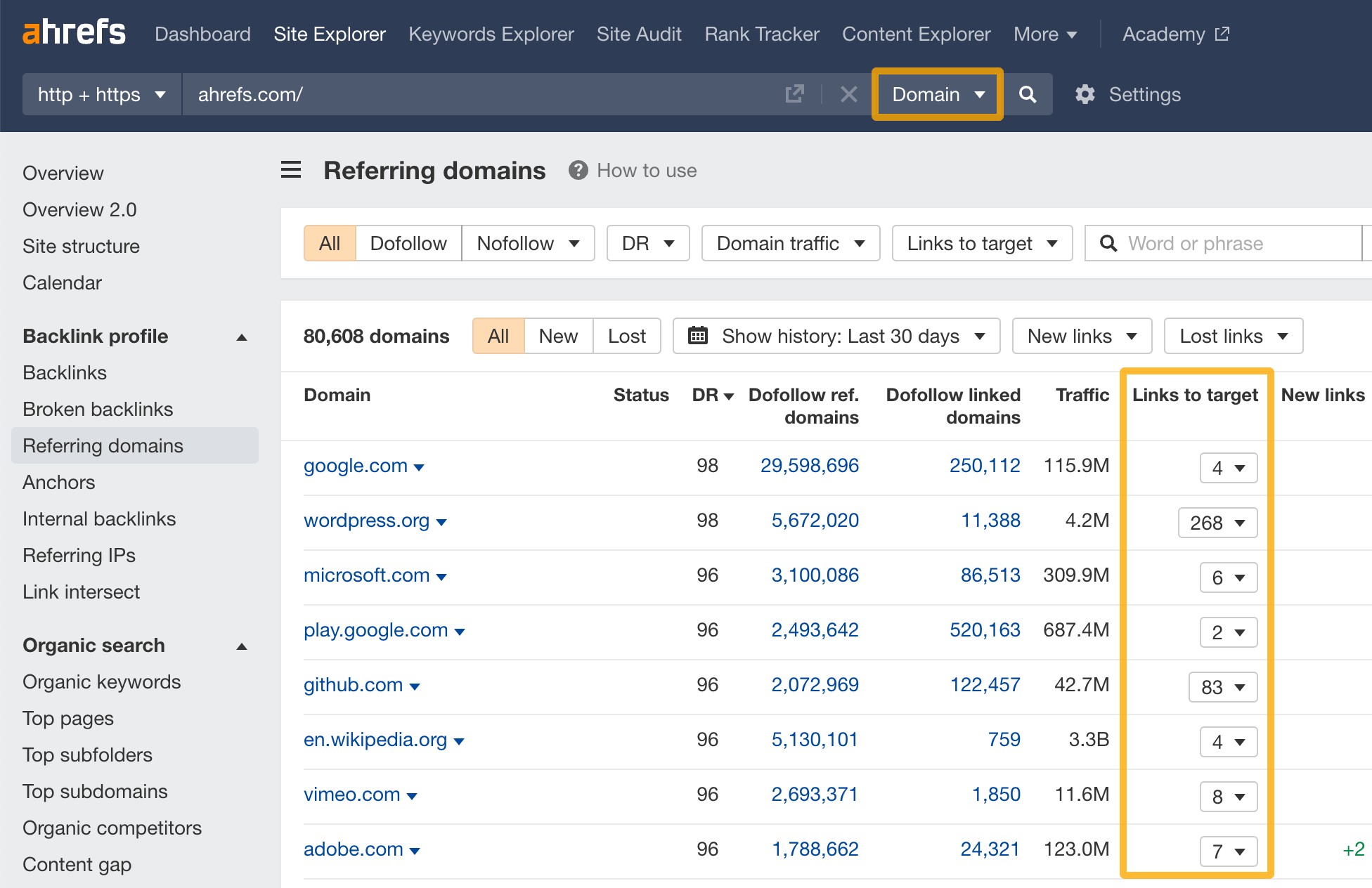
Analyzing a website anchor profile starts with collecting complete data on your backlinks. SEO professionals typically use tools like Ahrefs, Semrush, or similar platforms to evaluate referring domains, target pages, anchors, and link growth over time.
You should look beyond the total number of links and analyze which anchors appear most often, which pages they refer to, and what types of websites those links come from.
In practice, our SEO specialists first evaluate the share of branded, URL, non-anchor, partial-match, and commercial anchors. If there are too many identical anchors or too many links with exact-match commercial keywords, it may indicate over-optimization. The risk becomes even greater when those links point to the same page and were acquired within a short period.
It is equally important to evaluate the quality of your referring domains. Even a natural-looking anchor will not provide much value if it is placed on an irrelevant, spammy, or toxic website. That’s why anchor profile analysis should always go hand in hand with a broader backlink audit of the topical relevance of referring websites, their overall quality, traffic, indexation, and context in which the backlink appears.
A natural backlink profile can look very different from one industry to another. In some niches, branded mentions dominate. In others, URL links are more common. And in highly competitive markets, the percentage of commercial anchors may naturally be higher. That’s why competitor analysis is essential. It helps you understand what kind of anchor profile looks natural for your niche and which one could potentially put your website at risk.
A natural anchor profile is not created by randomly acquiring backlinks. It is built through a carefully planned mix of different anchors. This approach allows you to pass relevance to pages without making your profile look artificially optimized.
At Livepage, we do not start by chasing an “ideal” percentage for the ratio. Instead, we begin by evaluating the website’s current state. If the profile already has a significant number of commercial anchors, the strategy should be more conservative. That usually means focusing on branded mentions, URL links, and naturally written topical anchor variations.
If the website is relatively new and has a weak backlink profile, the priority should be building trust for the domain before aggressively acquiring exact-match anchors.
When choosing anchors for link building, you should consider more than just keywords. You should also evaluate the context where the link will appear, the quality of the referring domain, and whether the wording sounds natural. The more naturally an anchor fits into the article, the safer it is from Google’s perspective.
You should also understand that there is no universal “perfect” balance between anchor and non-anchor links that works across every niche. That said, many SEO professionals use a general guideline where approximately 60–70% of a backlink profile consists of branded, URL, and non-anchor links, while the remaining 30–40% includes topical or commercial links.
This type of distribution usually looks the most natural to Google, especially when the backlink profile grows steadily over time instead of experiencing sudden spikes.
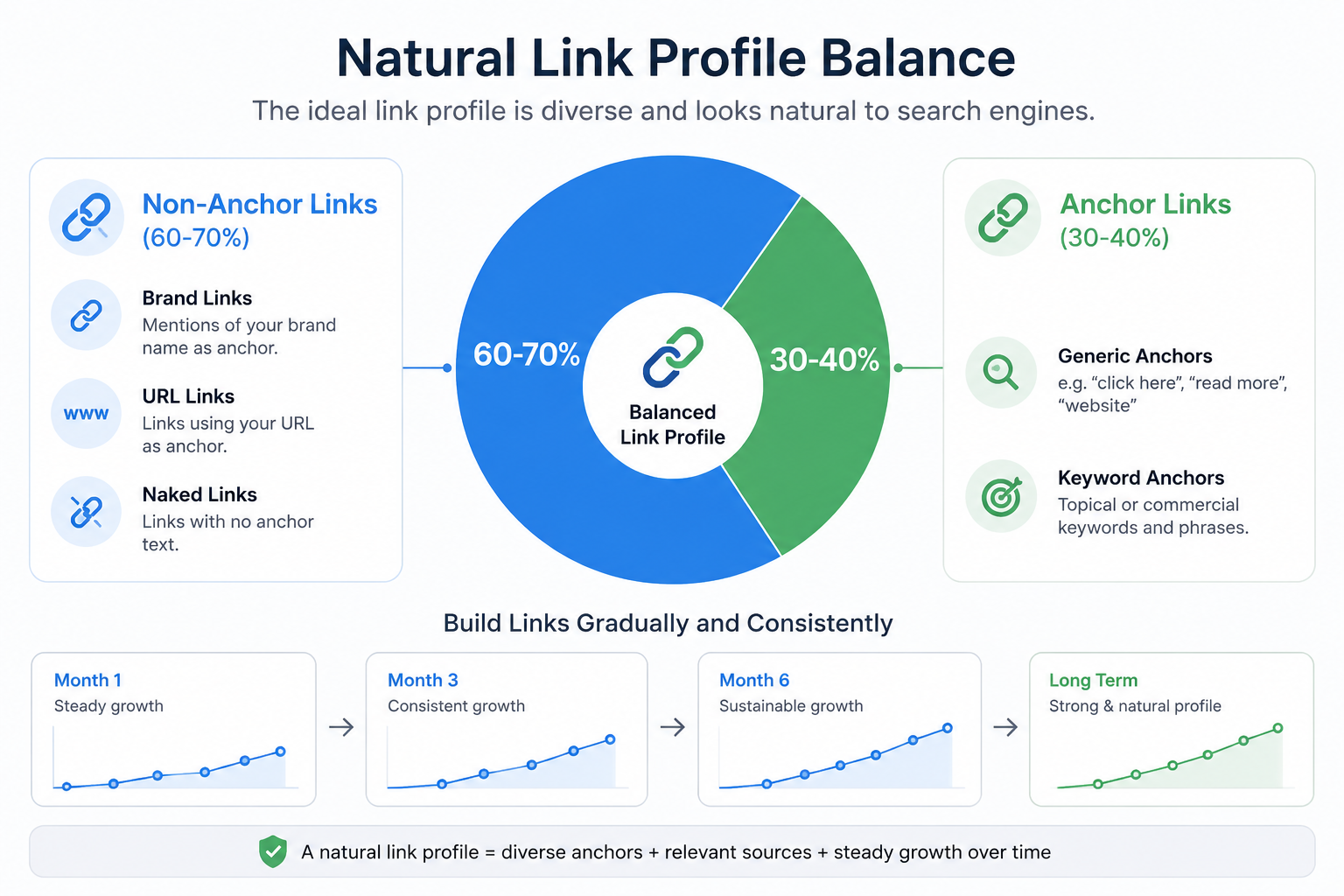
At the same time, our SEO specialists have repeatedly observed that this ratio can vary significantly depending on the niche and level of competition. In highly competitive topics, for example, the percentage of anchor links may be higher because competitors actively use commercial anchors to strengthen topical relevance. Even in those situations, however, maintaining a natural-looking backlink profile is critical. Commercial anchors should be balanced with branded mentions, URL links, and topical variations that fit naturally into the content.
One of the most common mistakes is the mass use of identical anchors for a specific key query. If multiple referring domains link to the same page with the same phrase, the pattern looks unnatural even if those websites are high quality.
A much safer approach is to diversify your anchors by using partial-match keywords, synonymous phrases, branded mentions, natural LSI keywords that fit organically within the content.
You should control the pace of link acquisition. A sudden increase in commercial anchors over a short period can look suspicious to Google, especially if the website previously had very few external mentions. A natural anchor profile is not just about maintaining the anchor ratio but also about steady growth, topically relevant referring domains, and a logical approach to every backlink you build.
This is where non-anchor links in link building play a particularly important role. They help balance your anchor profile and reduce the risk of over-optimization.
Finally, pay close attention to the relevance of the page you are linking to. Even a perfectly chosen anchor will not perform well if the destination page does not match the topic or search intent. That’s why building an anchor profile should always be part of your overall SEO strategy, taking into account your website structure, priority landing pages, and real business goals.
In our work, we are seeing more and more cases where anchor and anchorless links influence not only traditional Google rankings but also how brands appear in responses generated by ChatGPT, Claude, Perplexity, and other AI platforms. One example is our work with Spark Service PRO, a local home service business operating in Florida, US. Our goal was not just to grow the company’s backlink profile but to develop an AI-friendly link-building strategy.
The foundation of that strategy was creating a natural anchor profile with the proper mix of branded, URL, topical, and partially commercial anchors. We intentionally avoided aggressive exact-match optimization and instead focused on earning natural brand mentions in popular articles, local business roundups, guest posts, and industry publications that were already ranking in Google and being cited by AI platforms.
We also analyzed how ChatGPT and Perplexity referenced sources within this niche so we could build relevant anchors and surrounding content.
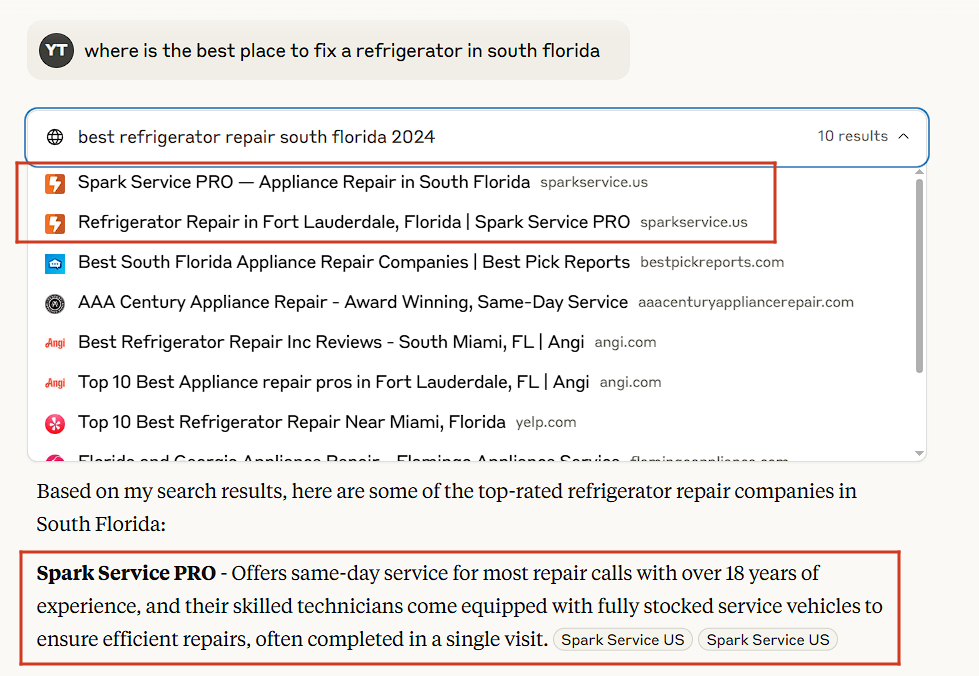
Within the first few months, we started seeing referral traffic from ChatGPT in Google Analytics, and the client’s brand began appearing in AI-generated responses with direct links to the website.
It is particularly interesting that some of this traffic did not come from traditional commercial Google searches but from long-tail prompts users entered into AI platforms. One particularly interesting case involved a Spark Service PRO customer who found the company through ChatGPT. The user searched in Hebrew for an “authorized Samsung washer repair company in my area”, and the AI recommended Spark Service PRO as a trusted local repair service offering same-day service.
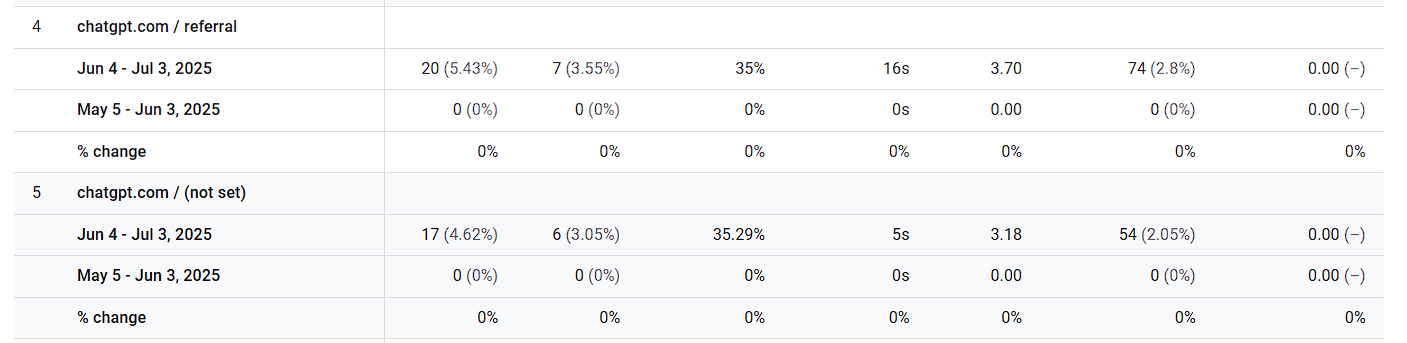
This case demonstrated that modern link building is no longer just about passing SEO weight to pages. A well-built anchor profile and the proper balance between anchor and non-anchor links can also influence AI-generated responses, strengthen brand visibility, and create an entirely new traffic source that barely existed just a few years ago.
Anchor links and non-anchor links remain two of the most important elements of modern SEO. Today, however, their effectiveness depends less on quantity and more on how naturally and strategically they are used.
Search engines have long moved beyond simply evaluating whether a backlink exists. They now analyze the context, the type of anchor text, the relevance of the referring domain, and the overall structure of a website’s backlink profile.
What is an anchor profile? Your anchor profile does not exist in isolation. Its performance is directly connected to the quality of your referring domains, your site structure, proper keyword clustering, and how well your content satisfies user intent.
Only a comprehensive SEO strategy can build a profile that not only improves search visibility but also remains resilient as Google’s algorithms continue to evolve.
If you are looking to build an anchor profile that supports sustainable SEO growth instead of short-term ranking manipulation, the Livepage team can help you develop a strategy tailored to your niche competition, over-optimization risks, and your website’s long-term success in search.


“Livepage has proven to be a reliable source for rapid online growth. We started with 2,000 visitors per month. In 3 years together with Livepage we have reached 70,000 visitors and more than 100 leads from the site per month.”


“As for the results, we’ve been working together since 2015, and our traffic has increased 10x. I cannot say that Livepage was our first SEO company, but they have become the first SEO partner that helped us to achieve the success we were looking for.”


“Livepage delivers SEO efforts that have led to an increase in the site’s users, traffic, and conversions. The team uses a wide range of tools to achieve the client’s goals. They are attentive to the client’s needs, working with them in real-time and bringing in additional specialists when needed.”


“I am pleased with the quick task execution and the instant replies to my messages.”


“I like the complex approach that the Livepage team offers. Absolutely all team members work together; everyone is aware of what is happening on the project. We have one common goal – to increase our service sales, and the team is making every effort to achieve the goal as soon as possible.”

“We’ve been really impressed by how Livepage quickly understood our business and centred our PPC campaign around our objectives. We have achieved good results within a very short time in both revenue and ROI.”

“Everything is clear, timely, and understandable.”


“They have leveraged ideal opportunities to reach our business goals.”