




9 min reading
GA4 BigQuery Export: When You Really Need It


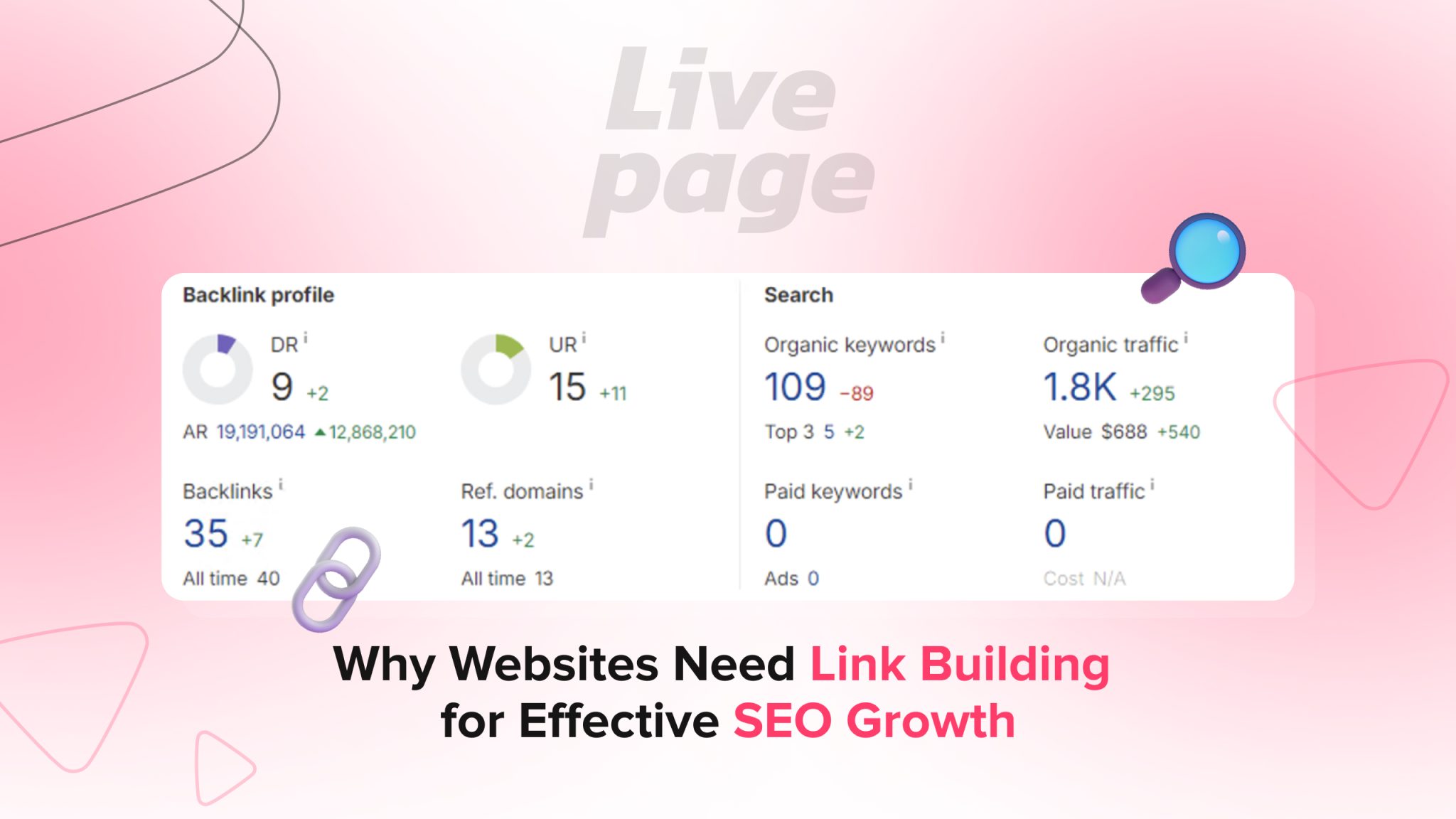
SEO goes far beyond technical improvements and strong content. A website can be well optimized, logically structured, and still struggle to grow if search engines do not consider it authoritative within its market. That is where SEO link building becomes especially important. As a core part of off-page optimization, it is often treated as something to deal with later, even though it can have a major impact on organic growth.
In this article, we will explain why link building is important, when a website should start building backlinks, and how to create a natural link-building strategy.
Link building is the process of acquiring external links, or backlinks, from other websites to your own. These links act as external signals that help Google and other search engines understand which sites are considered useful, credible, and authoritative within a particular niche.
That is why nearly every business owner eventually asks why website link building matters for a website. The answer is simple: a strong backlink profile helps search engines evaluate the authority of a site and can improve its chances of ranking higher in search results.
Backlinks have been part of Google’s ranking logic since PageRank. In the early days, Google evaluated pages not only by the quality of their content but also by the number and quality of sites linking to them. Today, the algorithm is far more advanced and looks at much more than the number of backlinks. It also evaluates the quality of the referring site, topical relevance, anchor text, link placement, and whether the backlink profile looks natural.
So, how external links affect SEO? They can support website growth in several ways:
There is no universal answer to when to start link building. The right timing depends on the age of the website, the level of competition, and the current state of its SEO. However, there are several clear signs that on-page optimization is no longer enough, and it is time to strengthen the site with external links.
Suppose you have already completed a technical audit, resolved major issues, optimized metadata, improved the website structure, and built a steady content publishing process. Despite all of that, rankings barely move. Important pages consistently appear on pages two or three but never break into the top 5 or top 3.
This is a common sign when a website needs link building. On-page SEO has already delivered most of what it can, and Google is now comparing your site with competitors. If their backlink profiles are stronger, even excellent content may not be enough to outrank them.
And that’s why websites need link building. External links provide an additional authority signal that helps search engines decide which resource deserves more trust. In competitive niches, consistent work on the backlink profile is often necessary to achieve further growth.
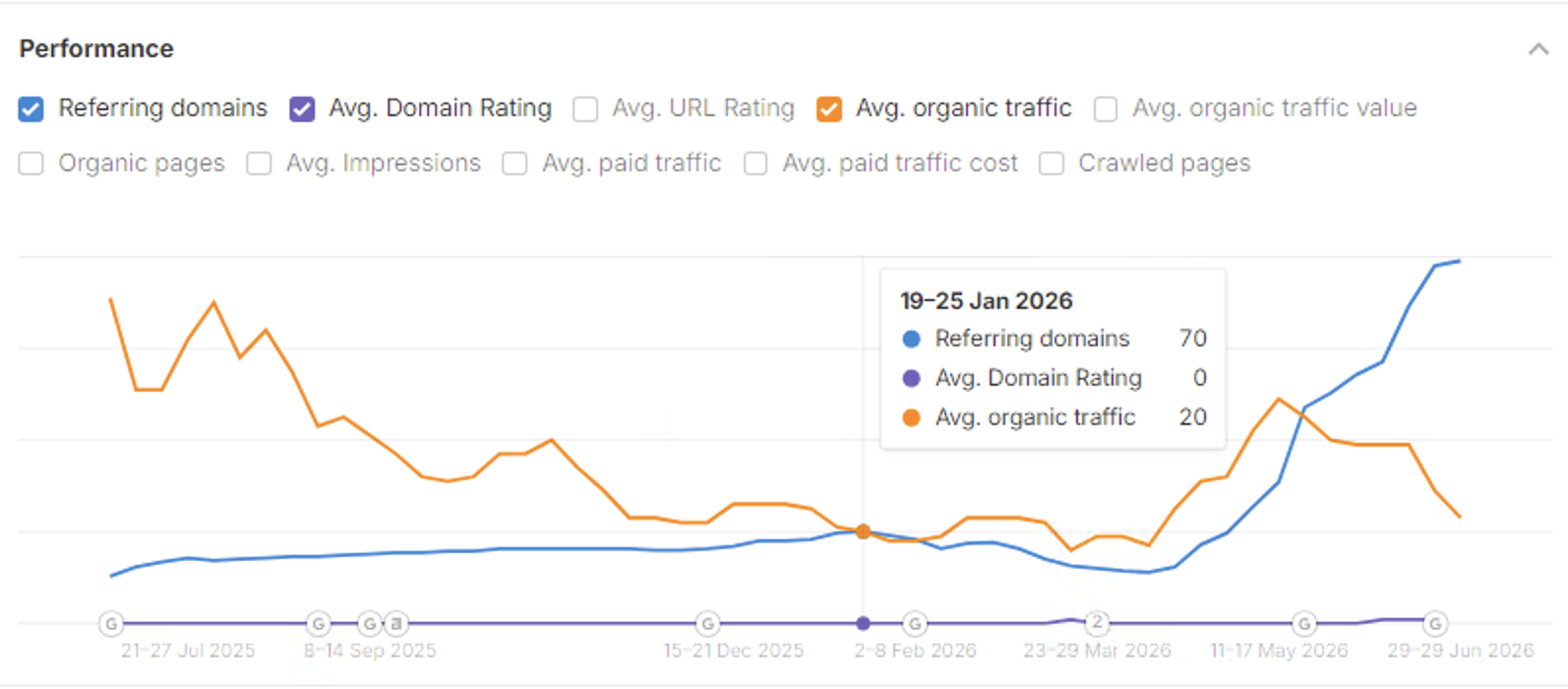
Comparing your website with competitors is one of the easiest ways to understand whether it is time to invest in off-page SEO. If you review the websites already ranking at the top of your niche using tools such as Ahrefs, Semrush, or Majestic, you will likely notice a significant gap in backlink strength. Top-ranking websites usually have dozens or even hundreds of high-quality referring domains, regular mentions in industry publications, relevant guest posts, and a steady flow of new backlinks.
Google evaluates your site relative to the competitors appearing for the same queries. If they continue building authority through high-quality backlinks while your backlink profile remains unchanged, your rankings may eventually start to decline even when the site itself is technically sound. That is why competitor backlink analysis should be one of the first steps before launching a link-building strategy.
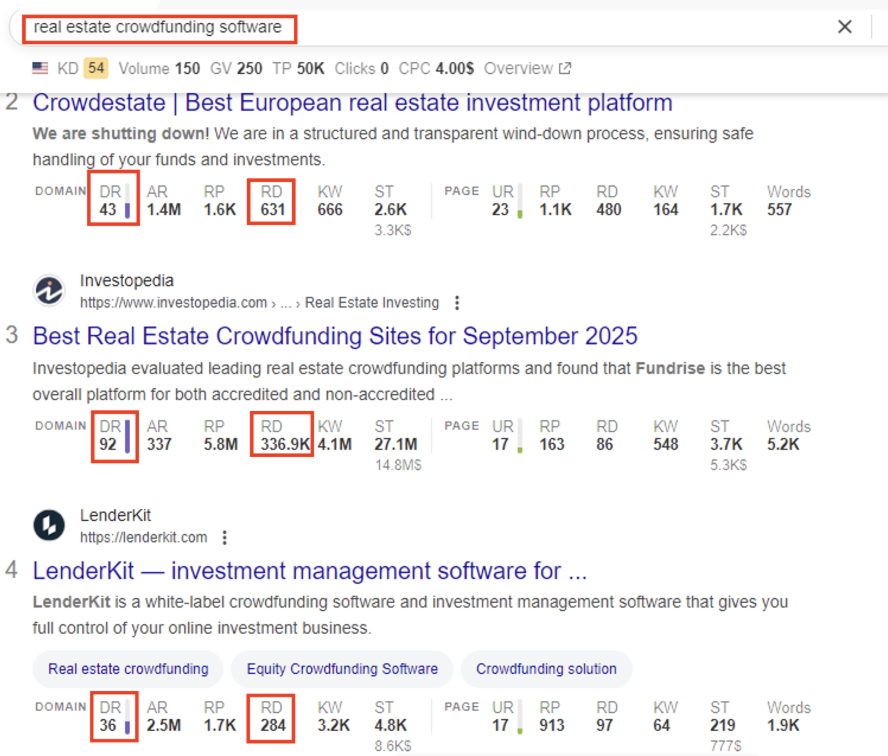
Not all search queries are equally difficult to rank for. In general, queries can be grouped into informational searches (guides, articles, and how-to questions) and commercial searches (“buy,” “order,” “price,” or “services”). For informational content, strong writing is often one of the main factors behind good rankings. Commercial queries are different, especially in highly competitive niches. Even a well-optimized landing page may struggle to compete with websites that have spent years building authority.
Backlinks pointing to commercial pages or relevant site sections can strengthen their authority and give Google additional signals that the resource is valuable and trustworthy. That is why searches such as “buy [product] in Ukraine” or “[niche] services in Kyiv” are often dominated by websites that combine strong on-page optimization with consistent work on their backlink profiles.
If newly published pages take a long time to get indexed and generate little or no organic traffic, it may be a sign that your SEO strategy needs additional support. This is especially common with newer websites or domains with a low Domain Rating. Even after publishing strong content, it can take weeks or months before a page starts gaining meaningful positions in search results.
One reason is that Google tends to trust websites with an established backlink reputation more quickly. When new content appears on an authoritative domain, search engines are more likely to discover it, index it, and test it in the SERPs faster. A weaker domain, on the other hand, will need much longer to gain the same level of visibility, even when the content quality is similar.
How link building works for a website usually depends on its age, the level of competition, the specifics of the niche, and the company’s business goals. Still, there are certain types of projects where a strong backlink profile plays a particularly important role in SEO growth.
New websites are usually in the most difficult position. They have not yet built a reputation, earned enough trust from search engines, or developed a natural backlink profile. Google tends to be more cautious with newer domains, which means even strong content may struggle to rank quickly without external trust signals.
That is why link building for a new website should begin as early as possible and run alongside technical optimization rather than come after it. Even a few high-quality backlinks from authoritative, relevant websites can speed up indexing and help Google better understand where the new site belongs within its niche. This is a clear example of why websites need external links promotion from the early stages of development. It helps establish search engine trust faster and creates a stronger foundation for steady organic growth.
The Livepage team specializes in link building for new websites and helps young projects build the authority they need to compete in search.
In eCommerce and IT, link building is often a major part of competitive SEO rather than an optional addition. Commercial keywords in these industries are often among the hardest to rank for, which makes stable search positions much more difficult to achieve without strong backlink support.
Google looks beyond the website itself when evaluating authority. Backlinks from respected and relevant sources help reinforce the reputation of the business and show search engines that other websites recognize it as a credible resource.
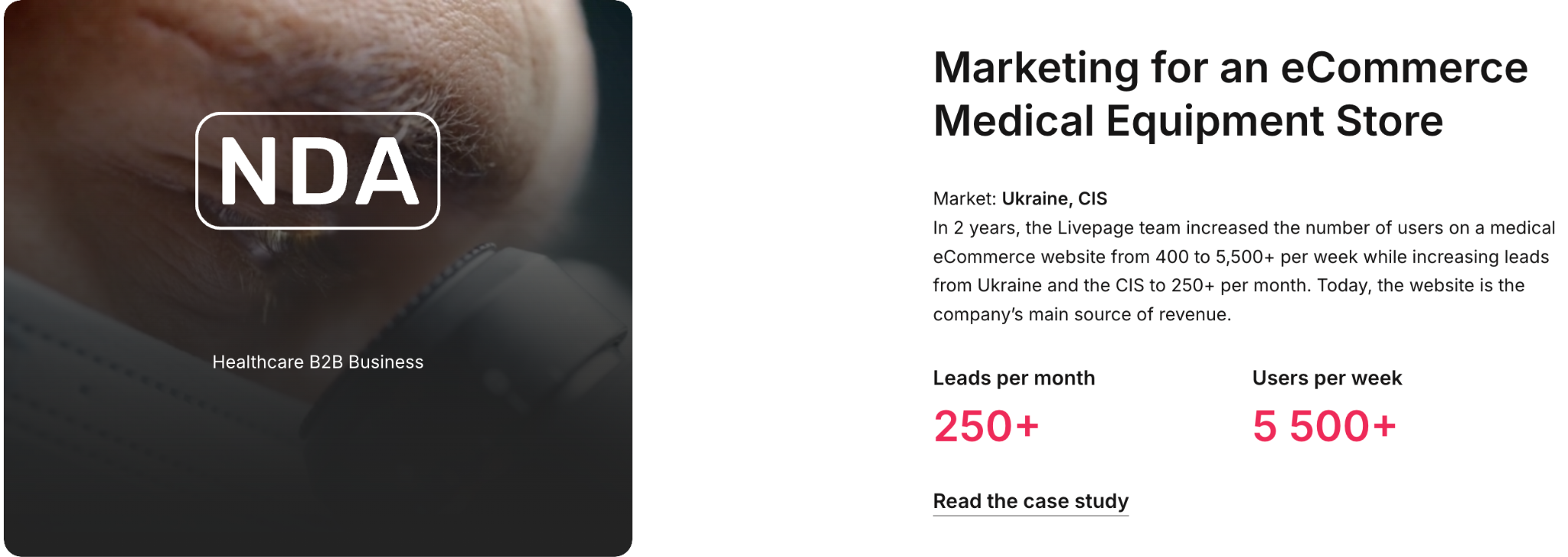
For eCommerce websites, the most valuable backlinks often come from product reviews, industry portals, niche blogs, and news websites. Service-based sites can benefit from publications in specialized media, partner content, professional directories, and expert mentions.
Livepage builds link-building strategies for eCommerce and IT websites with commercial landing pages and high-converting search queries in mind.
If your business operates within a specific city or region, link building requires a different approach. In local SEO, traditional backlinks matter, but so do local trust signals. These include:
Link building for a local mobile phone service business, or any other local business for that matter, differs from broader national or global promotion. The number of referring domains matters less than their geographic and topical relevance.
Before deciding on a link-building strategy, you need to analyze the current state of your backlink profile, the competitive landscape, and the project’s business goals. Link building in SEO is much more than buying a set number of guest posts or placements. It is a systematic process that starts with understanding where the website stands today and identifying the most promising directions for future growth.
The first step is to audit the backlinks you already have. You should evaluate:
If the backlink profile contains spammy or suspicious links, they can be disavowed using Google’s Disavow Tool. However, this should only be done after a careful review, since unnecessarily disavowing high-quality backlinks can also negatively affect SEO performance.
Next, compare your website’s backlink profile with the sites that already hold strong positions in search. During this analysis, try to answer a few key questions:
This gives you a more realistic view of the competitive gap and helps prioritize the next steps in your link-building strategy.
The best results usually come from combining several link-building methods rather than relying on just one. An effective strategy may include:
Relying on only one method is a mistake. A natural backlink profile should contain different types of links from different sources. If nearly all backlinks come from the same tactic (guest posts or forum mentions), the profile may look less natural to search engines.
Another common mistake is trying to acquire too many backlinks in a short period. A gradual and consistent approach usually works better. The main reasons why consistency in link building is critical are that it creates a more natural growth pattern, gives you more control over the quality of referring domains, and makes it easier to evaluate the results of each stage of the campaign.
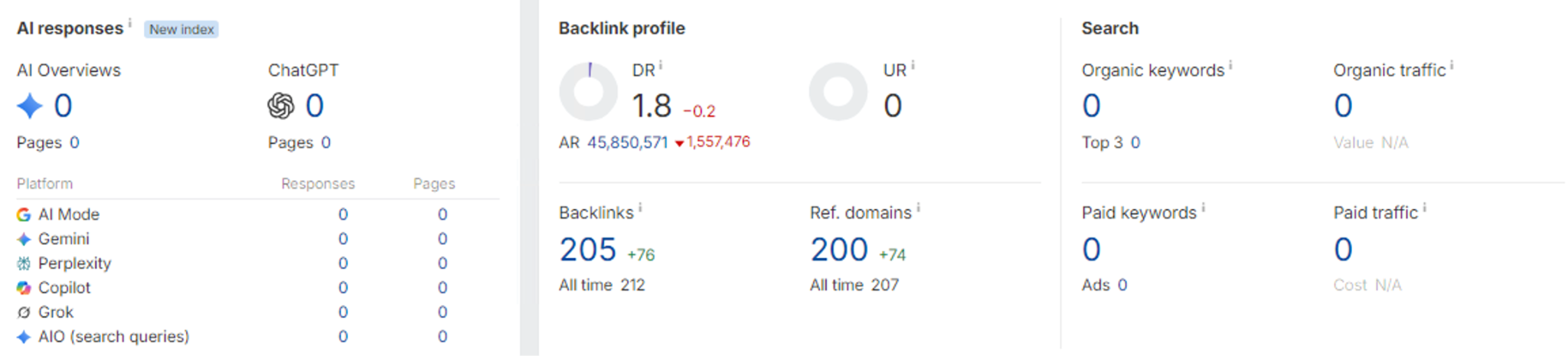
One of our projects involved promoting a startup that develops AI agents for automating routine business processes. The client came to us at a very early stage, when the website’s SEO metrics were close to zero:
Our goal was not only to help the site gain its first search positions, but also to build a strong foundation for long-term organic growth. To achieve this, we worked on on-page SEO and backlink development at the same time.
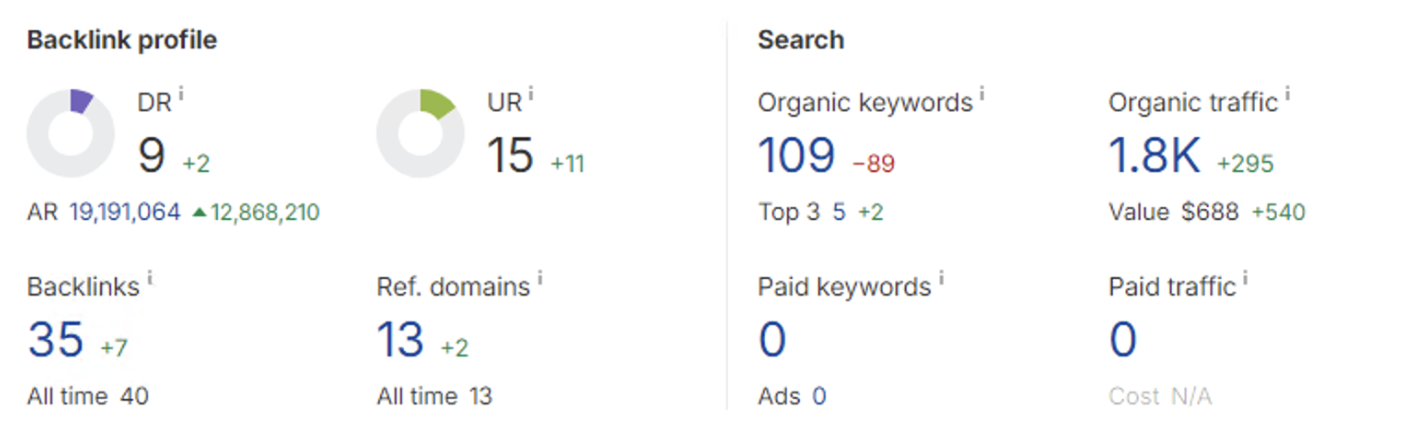
During the audit, we identified several key issues holding the website back:
During the first month, we developed a three-month link-building strategy focused on earning high-quality backlinks from topically relevant websites with strong traffic and high DR. At the same time, the team created a broader SEO strategy, completed on-page optimization, and identified the priority pages that should receive backlink support.
Within the first six weeks, we achieved the following results:
The project was still in its early stages, but these results already demonstrated the effectiveness of the strategy.
This example shows that a new website does not necessarily need hundreds of backlinks to start growing. A smaller number of relevant, high-quality links can make a noticeable difference when they are supported by solid technical SEO and strong content. Starting early also helps build search engine trust faster, speed up the indexing of new pages, and create a stronger foundation for sustainable long-term organic growth.
Link building is no longer an optional part of SEO. Even a well-optimized website with useful content can fall behind competitors if it does not have enough authority in the eyes of search engines.
If your site has stopped growing after on-page improvements, competitors have stronger backlink profiles, and new pages take too long to gain visibility, these are clear signs that it may be time to invest in link building. The earlier you start building domain authority, the stronger and more stable your search positions can become over time.
However, an effective link-building strategy should always be tailored to the website. It should include a backlink audit, competitor gap analysis, careful selection of tactics, and consistent acquisition of relevant, high-quality links. Livepage follows this approach for every project. Contact our team if you would like to discuss what strategy could work for your website.


“Livepage has proven to be a reliable source for rapid online growth. We started with 2,000 visitors per month. In 3 years together with Livepage we have reached 70,000 visitors and more than 100 leads from the site per month.”


“As for the results, we’ve been working together since 2015, and our traffic has increased 10x. I cannot say that Livepage was our first SEO company, but they have become the first SEO partner that helped us to achieve the success we were looking for.”


“Livepage delivers SEO efforts that have led to an increase in the site’s users, traffic, and conversions. The team uses a wide range of tools to achieve the client’s goals. They are attentive to the client’s needs, working with them in real-time and bringing in additional specialists when needed.”


“I am pleased with the quick task execution and the instant replies to my messages.”


“I like the complex approach that the Livepage team offers. Absolutely all team members work together; everyone is aware of what is happening on the project. We have one common goal – to increase our service sales, and the team is making every effort to achieve the goal as soon as possible.”


“We’ve been really impressed by how Livepage quickly understood our business and centred our PPC campaign around our objectives. We have achieved good results within a very short time in both revenue and ROI.”


“Everything is clear, timely, and understandable.”


“They have leveraged ideal opportunities to reach our business goals.”