




9 min reading
GA4 BigQuery Export: When You Really Need It


Design is more than just the layout of your website or product. It’s an important tool that can enhance your brand perception and increase sales. From attractive visuals to user experience, quality design can have a significant impact on users’ buying decisions. First impressions matter a lot, especially in online business. An engaging design of your website or product can grab visitors’ attention and encourage them to do certain actions. On the contrary, an unaesthetic design can evoke negative emotions in users’ hearts and drive them away from your brand.
But web design isn’t just limited to appearance. A properly designed and user-friendly interface can significantly improve the experience of using your product, leading to higher user satisfaction and, ultimately, more sales. Overall, quality design can be an essential tool for a business to bring in new leads, increase conversion rates, and improve brand perception. Investing time and money in web design can pay off in the long run and be a key factor in the success of your business.
In this article, we’ll look at 6 ways web design impacts customer experience (CX), as well as explore how to implement those techniques into your existing or new product. Let’s dive in!
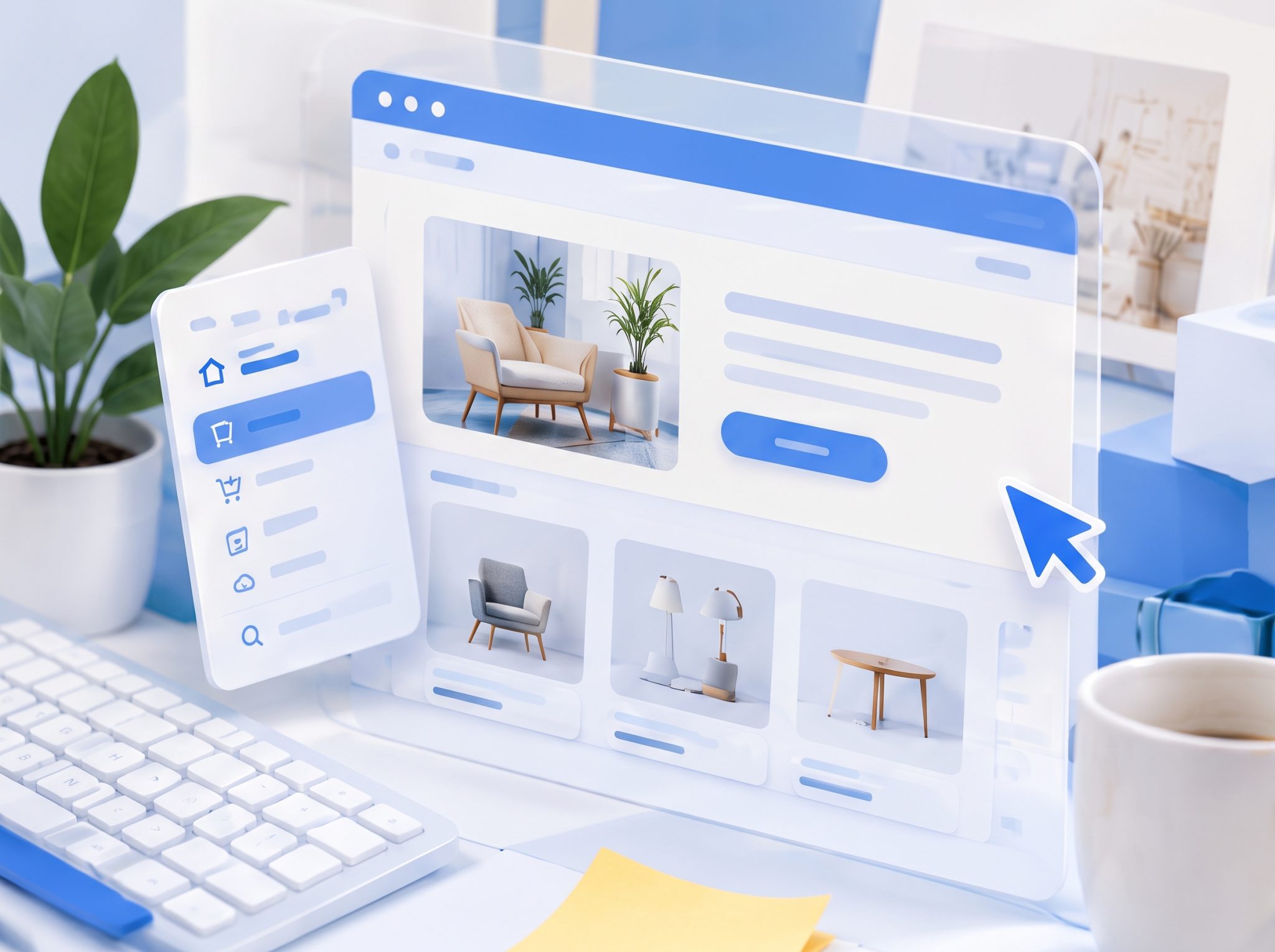
This is one of the most obvious ways to show how quality web design affects customer experience. A website with good design is a website that’s comfortable for the visitor to use. This aspect involves a lot of little things that add up to the big picture. A quality web design means that the pages are loading quickly, your layout is well-thought-out, and you structure your content.
Most likely, the average user will never consciously emphasize these aspects as separate advantages. However, visitors will definitely highlight them as disadvantages if they are not implemented properly.
All in all, it will increase the user’s time on the site as well as the chances that a visitor who just clicked on an interesting link will turn into a lead and, after that, into a paying customer. After all, competition in today’s world is fierce, and therefore, when opening two resources offering similar products or services, the user is likely to prefer the one that loads faster and is easier to navigate.
Another powerful factor in how web design impacts customer experience is the visitor’s overall impression of the brand. It’s important to realize that your online resource is a key tool to interact with users’ impressions and expectations during the first stages of their introduction to your business. This impression must be satisfying; otherwise, the user may suspect that something is wrong. You can have the best deals on the market, the best customer service, and excellent specialists, but what good is it if the potential customer is already skeptical about you?
If your site looks and works incongruously, the visitor is more likely to think that it’s some scammers rather than that you are a great company that just does not know how web design affects visitors’ experience. Coming to your site, the user wants to see professionalism in all aspects down to the smallest detail, and the site is not a small detail but the face of your brand. By providing a resource with a well-thought-out structure with all the necessary sections, such as portfolios, case studies, and a page about your team, you guarantee that the visitor will perceive you as a serious company that cares about its reputation.
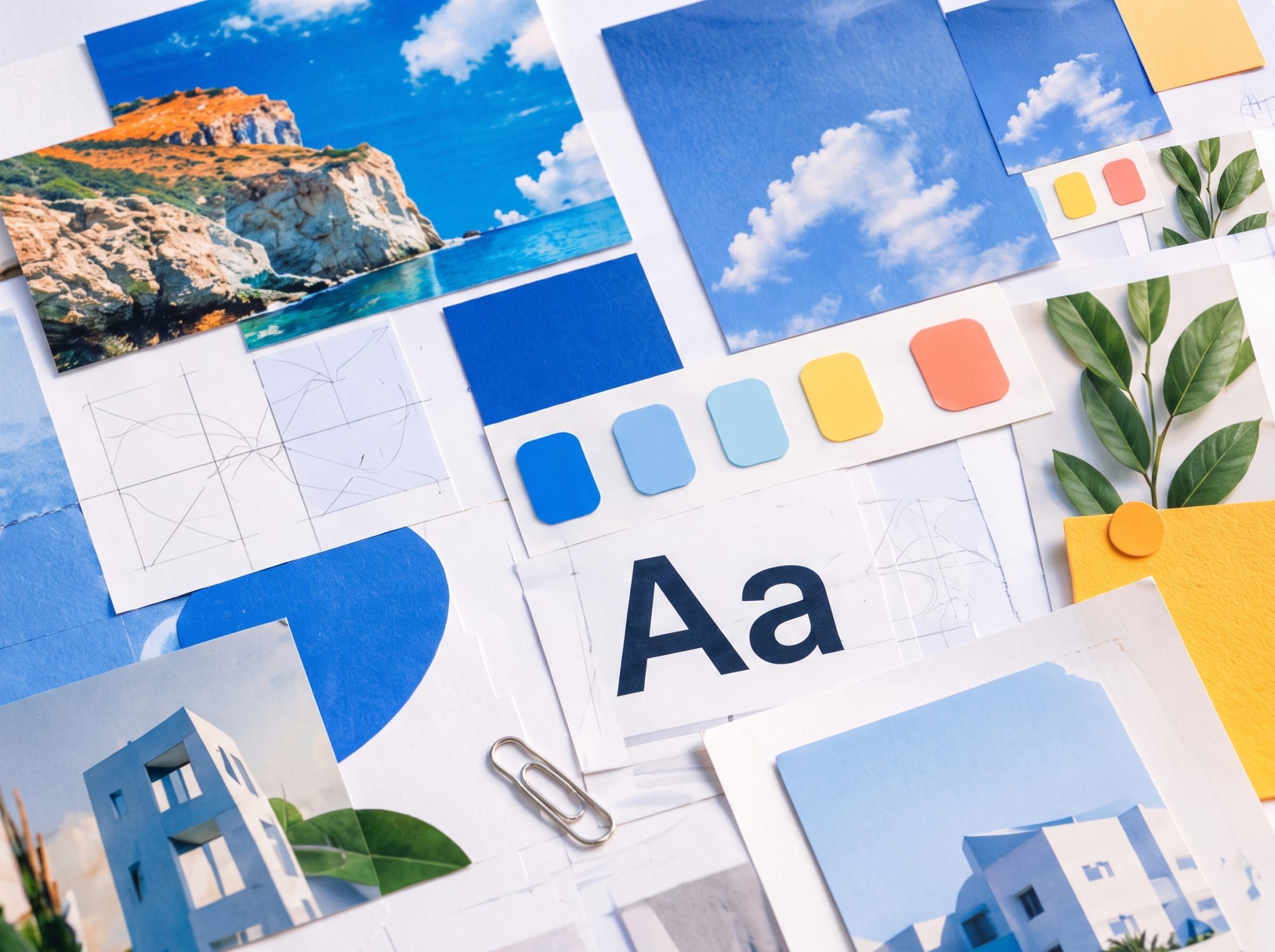
Choosing the right visual elements is another crucial aspect of how website design impacts customer experience. There is always a temptation to simply endow a website with a corporate identity, but true professionals consider the following factors:
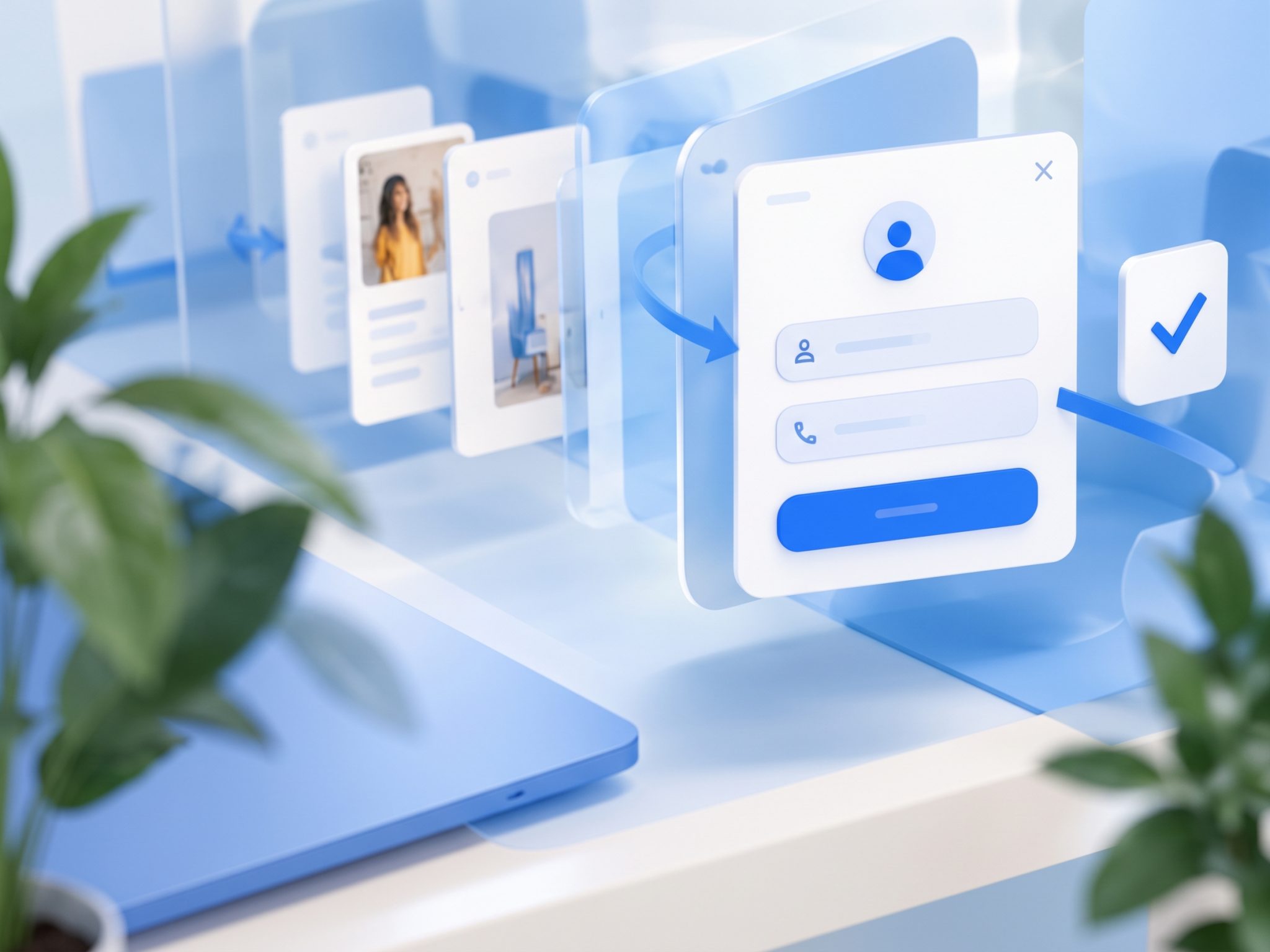
Even a relatively good, modern website can fail to fulfill its key function for a business, namely, bringing money. One reason for this can be a bad web design. Clumsy site structure, too many steps that a customer needs to go through to place an order, or transitions to obscure pages through CTAs can be critical for a business. To understand how web design impacts CX and find ways to improve it, you need to enlist the support of professionals.
Various metrics and tools are used to evaluate effectiveness, allowing you to assess the quality of design and its impact on conversion and sales. One of the most popular ways to determine your website’s efficiency is to analyze the whole conversion funnel and evaluate at what stage users stop taking the actions necessary to fulfill business objectives. Analytics tools such as Google Analytics, Mixpanel, Kissmetrics, and others are used for this purpose.
You never know from which device a user will visit your site. It will be extremely unpleasant if a deal worth thousands of dollars fails simply because the user went to a resource designed for a desktop from a mobile device. Ideally, you should create an ecosystem where it’s possible to quickly and seamlessly continue viewing content between different devices. A person making decisions about cooperating with you or buying your product should be able to find your site on an office PC, transfer the open tab to a smartphone, and continue to study your site in a coffee shop.
That’s why it is extremely important to implement adaptability for different devices and screens in advance. By providing a responsive interface, you will be able to leave a much better impression of your business and maximize the time spent on your resource, therefore increasing the likelihood of a successful conversion. Website accessibility across platforms is another essential aspect of how a website’s design affects the customer experience.
Speaking of how web design impacts client experience, you need to realize that a professionally made website should be designed not only for people but also for machines. Search engines also evaluate the quality of your design, and their verdict on this issue directly affects the number of your visitors. Here are the resulting indicators that determine the place of the site in the output:
Google highly appreciates these factors and promotes your site in the search rankings when they are good. The resource has to achieve high speed in rendering content, the minimum waiting time before the first interaction with this content, as well as to ensure the visual stability of all elements of the web page. This can only be achieved by enlisting the support of professionals in the field.
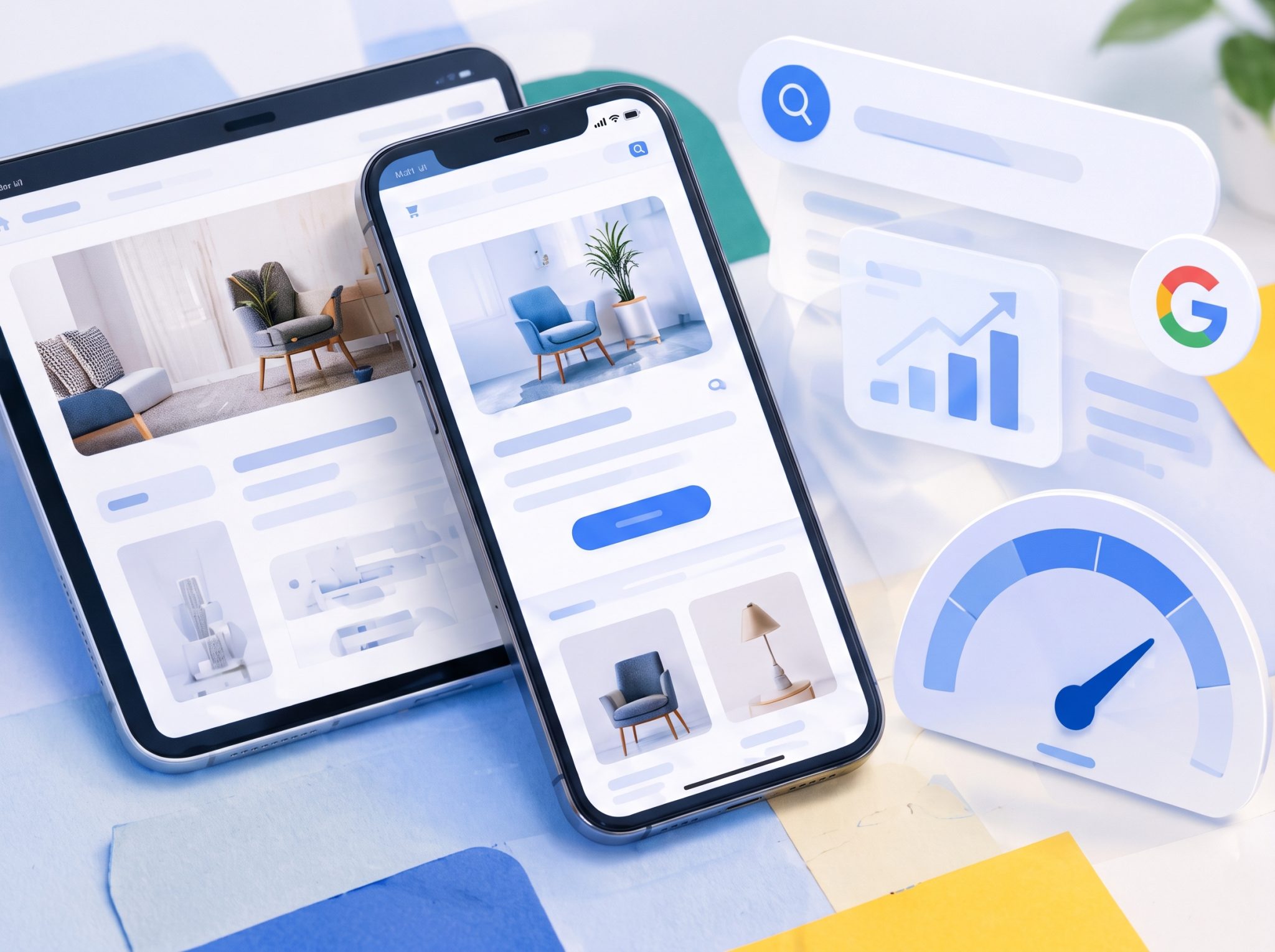
Design is one of the most important aspects of web development, and it plays an important role in user experience and conversion rates. The right web design can impact CX significantly and greatly increase sales, whereas bad design can lead to low conversion and losses.
However, even knowing how web design can have an impact on CX, you should understand that it isn’t the only factor that affects the success of your resource. Even the best design from a world-famous studio won’t do any good and won’t help you improve your metrics if users can’t find it on the web. To properly promote your website, you’ll need professionals who know their stuff, and that’s exactly what Livepage offers. We are a well-coordinated team of experts who have been promoting websites for over 15 years. We have more than 100 successful projects of different sizes on our account, and in total, we have attracted more than 10 million visitors to our clients’ resources.
Turning to us, you’ll get the top service in everything that concerns the structure of the site, its content, as well as the means of resource promotion. Take a look at our case studies to make sure that all these are not just loud statements. And after you are convinced that we are real masters of our craft, hurry up to contact us so that together we can bring your business to success.
Using professional web design services can be very helpful in improving UX and increasing sales. Skilled designers who know how web design impacts customer experience can create an attractive and user-friendly interface, as well as perform analysis and optimization to improve the effectiveness of the website.
There are many ways and factors to consider to create a web design that impacts CX. First, understand your audience, as it will be a decisive aspect of how your website should look. Then, adapt your resource, sticking to proven practices, like a user-friendly interface, clarity and readability of content, high-quality imagery, consistent branding, etc.
Quality web design can significantly improve customer engagement through intuitive UX, interesting content, and attractive appearance. This will ultimately translate into increased time on site, improved trust in your brand, and higher conversion rates.


“Livepage has proven to be a reliable source for rapid online growth. We started with 2,000 visitors per month. In 3 years together with Livepage we have reached 70,000 visitors and more than 100 leads from the site per month.”


“As for the results, we’ve been working together since 2015, and our traffic has increased 10x. I cannot say that Livepage was our first SEO company, but they have become the first SEO partner that helped us to achieve the success we were looking for.”


“Livepage delivers SEO efforts that have led to an increase in the site’s users, traffic, and conversions. The team uses a wide range of tools to achieve the client’s goals. They are attentive to the client’s needs, working with them in real-time and bringing in additional specialists when needed.”


“I am pleased with the quick task execution and the instant replies to my messages.”


“I like the complex approach that the Livepage team offers. Absolutely all team members work together; everyone is aware of what is happening on the project. We have one common goal – to increase our service sales, and the team is making every effort to achieve the goal as soon as possible.”


“We’ve been really impressed by how Livepage quickly understood our business and centred our PPC campaign around our objectives. We have achieved good results within a very short time in both revenue and ROI.”


“Everything is clear, timely, and understandable.”


“They have leveraged ideal opportunities to reach our business goals.”