



9 min reading
What Role Does Content Marketing Play in Building Brand Loyalty



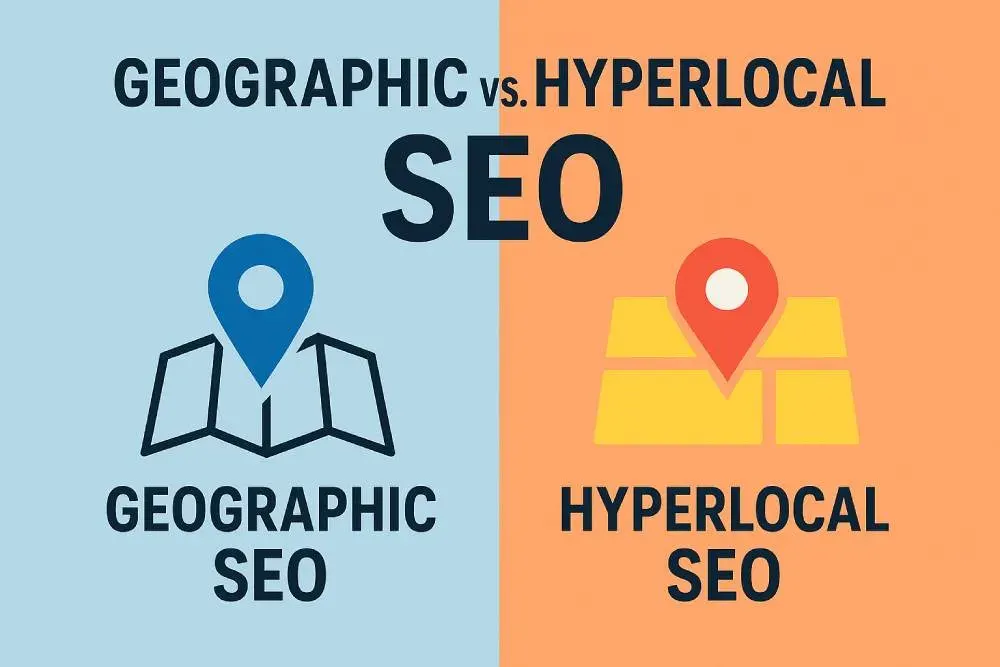
With nearly every customer going online to look for businesses, products, and services nearby, geo-bound local SEO has become an integral part of digital promotion for smaller companies striving to win local markets. However, simply showing up in local search is no longer enough. You need to be visible right down to your neighborhood, block, or even street. That’s where hyperlocal SEO comes into play.
What does hyperlocal SEO mean? How does it differ from local SEO? How can you use it for the benefit of your business? We’ll break down every point below to give you the answers you need.
Hyperlocal meaning refers to a highly targeted search engine optimization strategy that focuses on reaching potential customers within a very specific and limited geographic area, such as a single street, intersection, or even a building. In contrast to a broader local SEO, targeting a city or region, hyperlocal SEO narrows the focus to help businesses appear in search results when people are looking for services “near me” or in specific micro-locations, often within walking or short driving distance of the user’s current spot.
Why does hyperlocal SEO matter so much today? There are quite a few reasons for that related to user behavioral shifts and evolving digital search trends.
Hyperlocal business SEO taps into this behavior to ensure that your business pops up at the exact moment someone nearby is searching for what you offer. Actively embraced by local SEO marketing services, it provides incredible opportunities for:

By zeroing in on a specific area, this targeted strategy delivers measurable benefits that extend beyond traditional local SEO, turning your neighborhood into your most loyal customer base.
With hyperlocal SEO, you focus on individuals actively searching for services within your immediate vicinity, thus increasing the likelihood that your message reaches a high-intent audience and maximizing the potential for in-store visits, service appointments, or local transactions.
Targeting “near me” queries, hyperlocal SEO hits your potential customers when they are already in a buying mindset. When your business appears at the top of search results, you reduce friction in the customer journey, which often results in higher conversion rates compared to less-specific SEO strategies.
Competition is fierce, especially in urban areas. Hyperlocal SEO helps small businesses punch above their weight by narrowing the playing field and targeting only the most relevant audience.
With a focused hyperlocal approach, your marketing dollars are aimed at well-motivated potential customers where the return on investment (ROI) can be much higher. Even when hiring professional SEO services, the strategy allows smaller budgets to yield meaningful results by precisely matching your offers to local demand.
Now that you know what hyperlocal SEO is and why it’s a must-have strategy for smaller local players in a tough digital space, it’s time to roll up your sleeves and put it into action. You can rely on our helpful hyperlocal SEO tips to start turning local searches into real customers.
GBP is the cornerstone of your hyperlocal SEO success since it’s often the first thing people see when they search for services or businesses near them. So, the first step is to create and verify your listing on Google Business if you haven’t done it yet. Then, complete and optimize your GBP to boost your visibility in Google Map Pack and rank higher in organic search results.
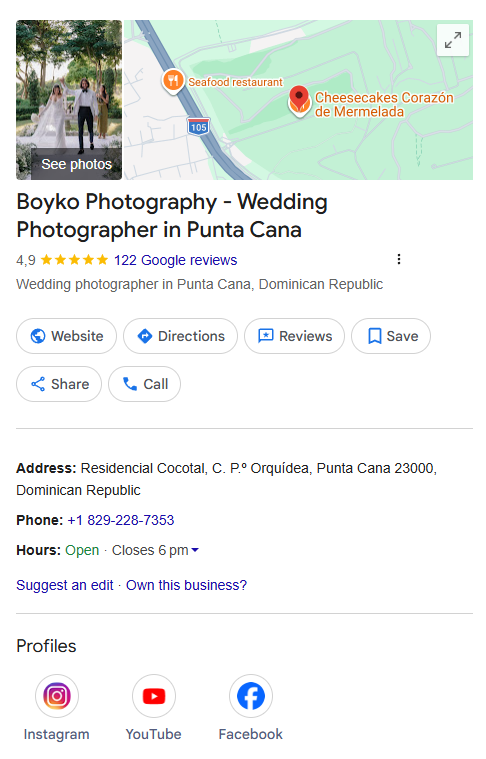
NAP stands for Name, Address, Phone of your business. It should be identical everywhere your business appears online, from your website and social media to local directories and citation sites. It’s important since search engines use this info to confirm your business’s legitimacy and actual location.
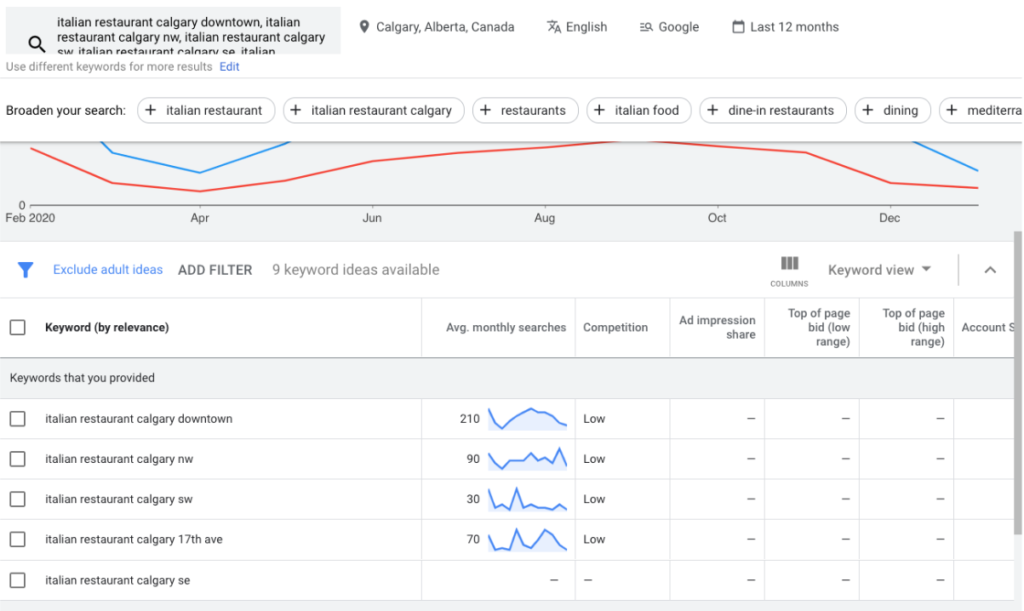
Keywords are the compass that directs traffic to your site. Do research on your own by using tools like Google Keyword Planner, Ubersuggest, or KeywordsFX, analyzing competitor pages, and scrutinizing Google Autocomplete Suggestions and “People Also Ask” section, or entrust this task to SEO keyword research services.
Make keywords hyperlocal by adding specific locations or intent-driven modifiers. For example, “organic grocery store near Grant Avenue” or “pet groomer open now in Westfield”. Try to use natural language that matches how people speak. Integrate those keywords in page titles, meta descriptions, header tags, image alt text, and across content.
If you serve multiple areas or neighborhoods, don’t lump everything onto one page. Instead:
Hyperlocal content tells search engines and users that you’re actively serving a specific community.
Structured data or schema markup helps search engines better understand your site content and show rich results in search, like address, hours, star ratings, and service areas. You can use tools like Google’s Structured Data Markup Helper to get started without coding knowledge.
The more your business is mentioned online within your community, the more search engines view you as a trusted local authority and put you higher in local search results. So, get listed on local chambers of commerce, business associations, local blogs or newspapers, event sponsorships, community bulletin boards, or directories.
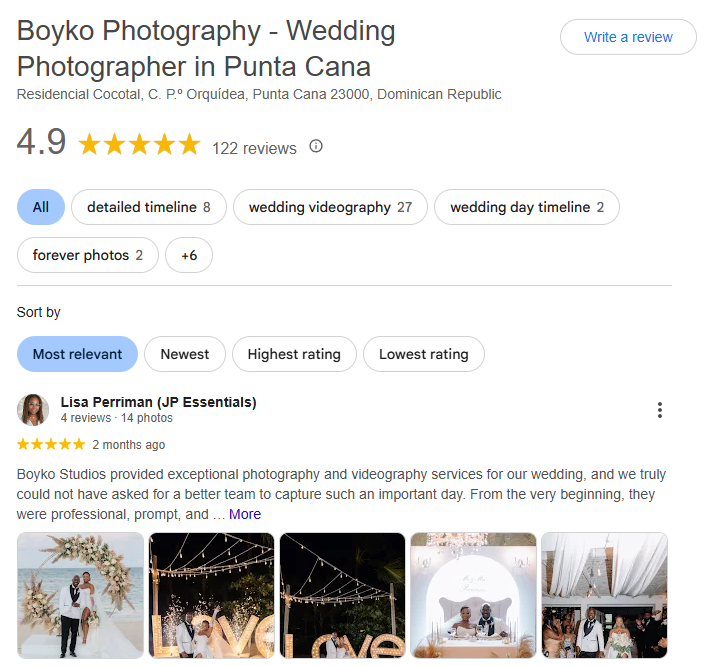
Online reviews directly affect your visibility in search and shape customer trust. Hence, make use of this opportunity to the full:
To embrace hyperlocal searches that happen on mobile devices, ensure your website is mobile-friendly, fast-loading, and easy to navigate. Write content in a conversational tone to target voice queries like “Where’s the closest dry cleaner that’s open now?”
With hyperlocal SEO, you target customers exactly where they are and when they need you most, building stronger local connections, increasing foot traffic, and positioning your brand as a trusted neighborhood go-to. The best thing is that a well-optimized hyperlocal SEO strategy keeps working around the clock, bringing you qualified traffic month after month.
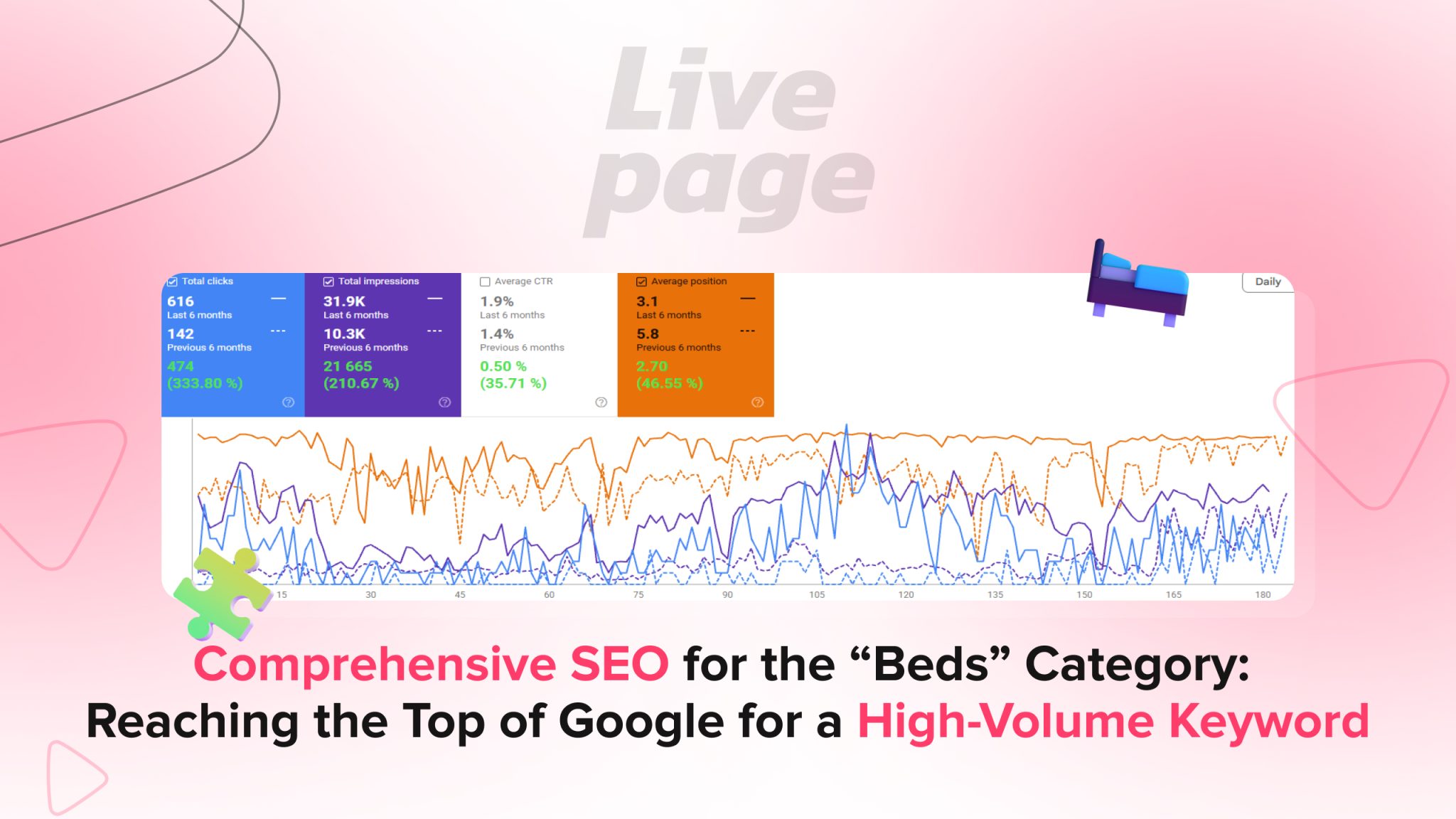
If you’re ready to maximize your local visibility and drive consistent results, Livepage is here to help you build and implement a winning hyperlocal SEO strategy.


“Livepage has proven to be a reliable source for rapid online growth. We started with 2,000 visitors per month. In 3 years together with Livepage we have reached 70,000 visitors and more than 100 leads from the site per month.”


“As for the results, we’ve been working together since 2015, and our traffic has increased 10x. I cannot say that Livepage was our first SEO company, but they have become the first SEO partner that helped us to achieve the success we were looking for.”


“Livepage delivers SEO efforts that have led to an increase in the site’s users, traffic, and conversions. The team uses a wide range of tools to achieve the client’s goals. They are attentive to the client’s needs, working with them in real-time and bringing in additional specialists when needed.”


“I am pleased with the quick task execution and the instant replies to my messages.”


“I like the complex approach that the Livepage team offers. Absolutely all team members work together; everyone is aware of what is happening on the project. We have one common goal – to increase our service sales, and the team is making every effort to achieve the goal as soon as possible.”


“We’ve been really impressed by how Livepage quickly understood our business and centred our PPC campaign around our objectives. We have achieved good results within a very short time in both revenue and ROI.”


“Everything is clear, timely, and understandable.”


“They have leveraged ideal opportunities to reach our business goals.”